Introduction
A sump pump can keep running without current rain because groundwater may still be moving through saturated soil. A high water table, snowmelt, drainage problems, short cycling, or water returning through the discharge system can also keep the sump pit filling after skies clear.
Author: All Pro Basement
Updated: October 21, 2026
Hearing the pump switch on during a sunny day does not automatically mean something is wrong.
Rainfall and groundwater do not move on the same schedule.
Water can take hours or even days to travel through soil before reaching foundation drainage.
Therefore, a sump pump running constantly may be responding to water from an earlier storm.
Why Does My Sump Pump Run When It Is Not Raining?
The pump runs because water is entering the sump pit, regardless of current weather.
That water may come from groundwater, snowmelt, drainage systems, plumbing, or water that was previously discharged near the foundation.
The first diagnostic question is not whether it is raining.
It is where the water entering the sump basin is coming from.
Can Groundwater Keep Moving After Rain Stops?
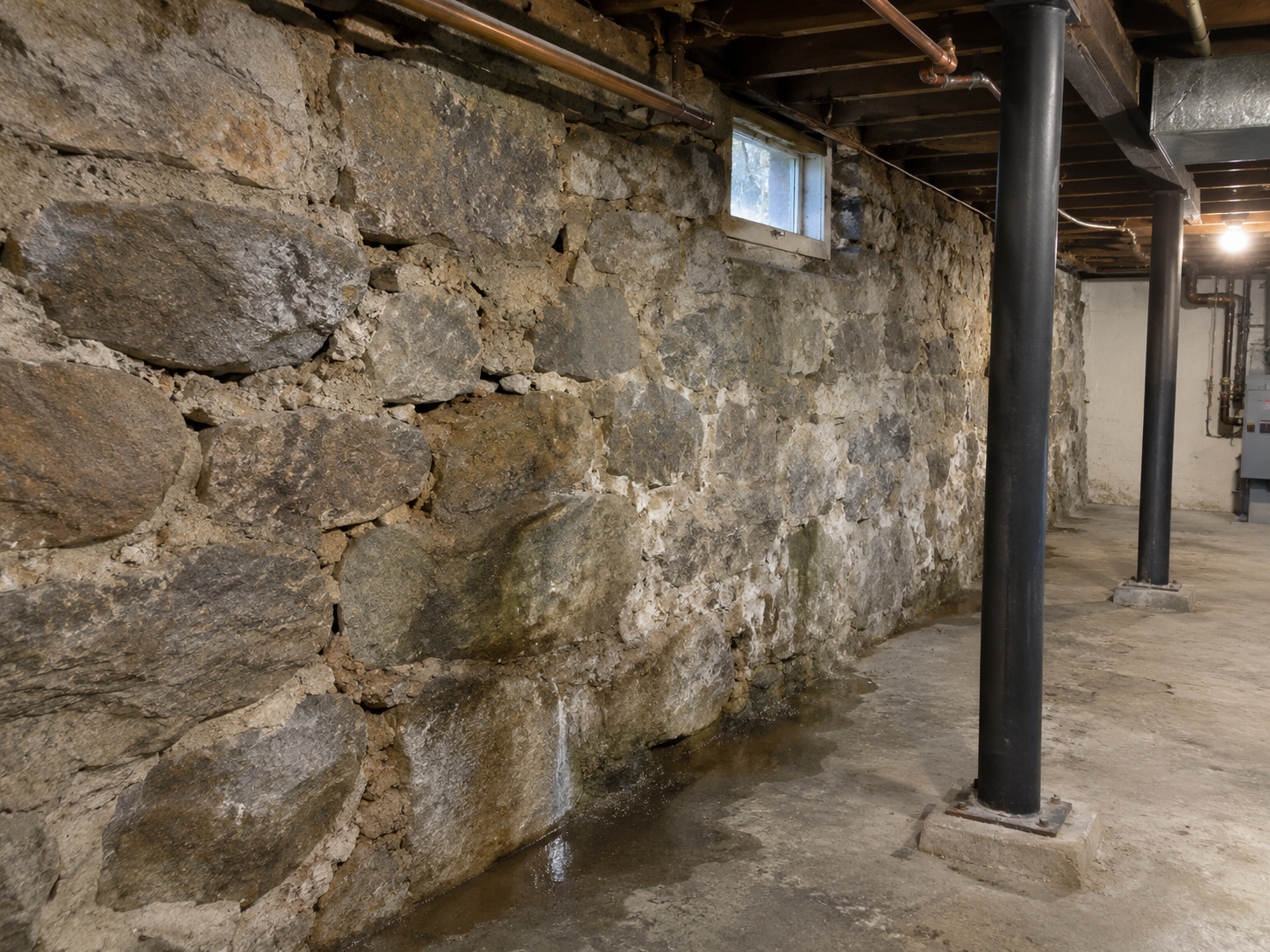
Yes. Groundwater can continue moving through soil long after surface rain ends.
Water must infiltrate the ground, move through soil layers, and eventually reach drainage around the foundation.
That delay explains why sump pump cycling can remain active after the storm has passed.
Building Science Corporation explains that below-grade foundations must manage groundwater and moisture moving through surrounding soil.
Why Can the Delay Last for Days?
Soil does not drain instantly.
Heavy rain can saturate a large volume of ground around a property.
Meanwhile, water from higher elevations can continue moving toward lower areas.
A sump pump running constantly two days after a storm may still be handling water from that same weather event.
Soil type, terrain, drainage, and groundwater depth all influence the delay.
Can a High Water Table Make a Sump Pump Run Constantly?
Yes. A high water table can keep feeding groundwater toward the foundation even during dry weather.
If the water table rises near the basement level, an interior drainage system may collect water almost continuously.
In this case, frequent pumping may mean the system is doing exactly what it was installed to do.
However, the pump must still be capable of handling that demand reliably.
What Is a High Water Table?
The water table is the underground level below which soil and rock are saturated with water.
That level changes with weather and seasonal conditions.
After prolonged rain or snowmelt, groundwater can rise closer to basement foundations.
As a result, sump activity may increase even when no rain is falling at the moment.
Can Spring Snowmelt Keep a Sump Pump Running?
Yes. Spring snowmelt can release large amounts of water into Massachusetts soil over time.
This can raise groundwater without a major rainstorm.
Snow may disappear from the yard while the water continues moving underground.
Consequently, sump pumps may remain active throughout periods of spring thaw.
For New England homes, this can be a normal seasonal pattern.
How Does Saturated Soil Affect the Sump Pit?
Saturated soil has limited capacity to absorb additional water.
Instead, water can move laterally toward lower areas and drainage pathways.
A basement foundation may become part of that path.
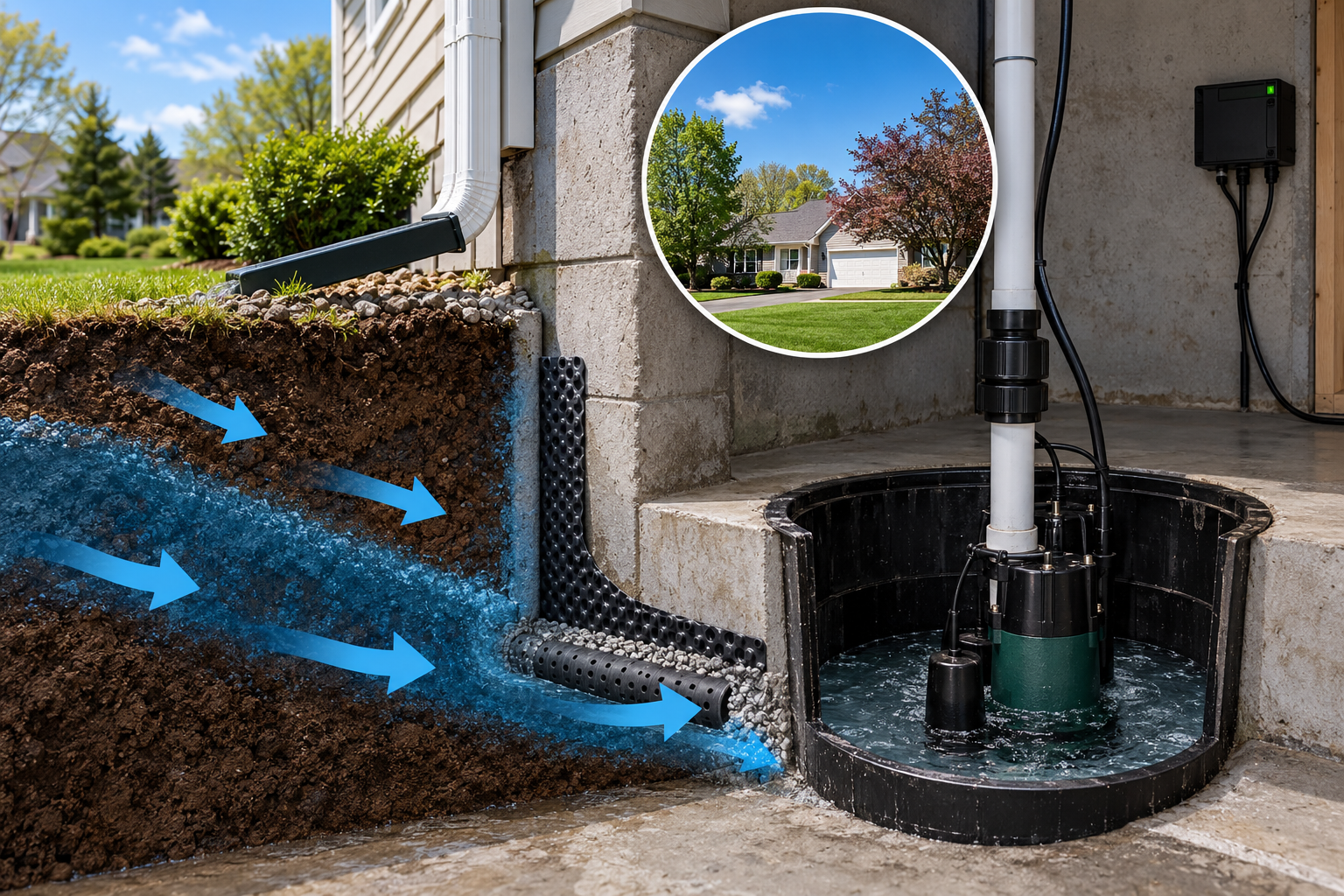
If perimeter drainage collects the water, it eventually flows toward the sump pit.
The pump then cycles whenever the water reaches its activation level.
Can Water From Nearby Properties Reach My Foundation?
Yes. Groundwater does not stop at property boundaries.
Homes located downhill may receive subsurface water from neighboring yards, higher terrain, paved areas, or larger drainage zones.
This is why the area immediately around the house can appear dry while groundwater continues entering the sump system.
The source may be farther away than expected.
Can Poor Grading Make the Pump Run More Often?
Yes. Ground that slopes toward the foundation directs surface water toward the basement.
That water can soak into the soil and eventually reach the drainage system.
The EPA recommends directing surface water away from building foundations as part of moisture control.
U.S. Environmental Protection Agency
Poor grading may therefore increase pump demand even after rain stops.
Can Downspouts Affect Sump Pump Activity?
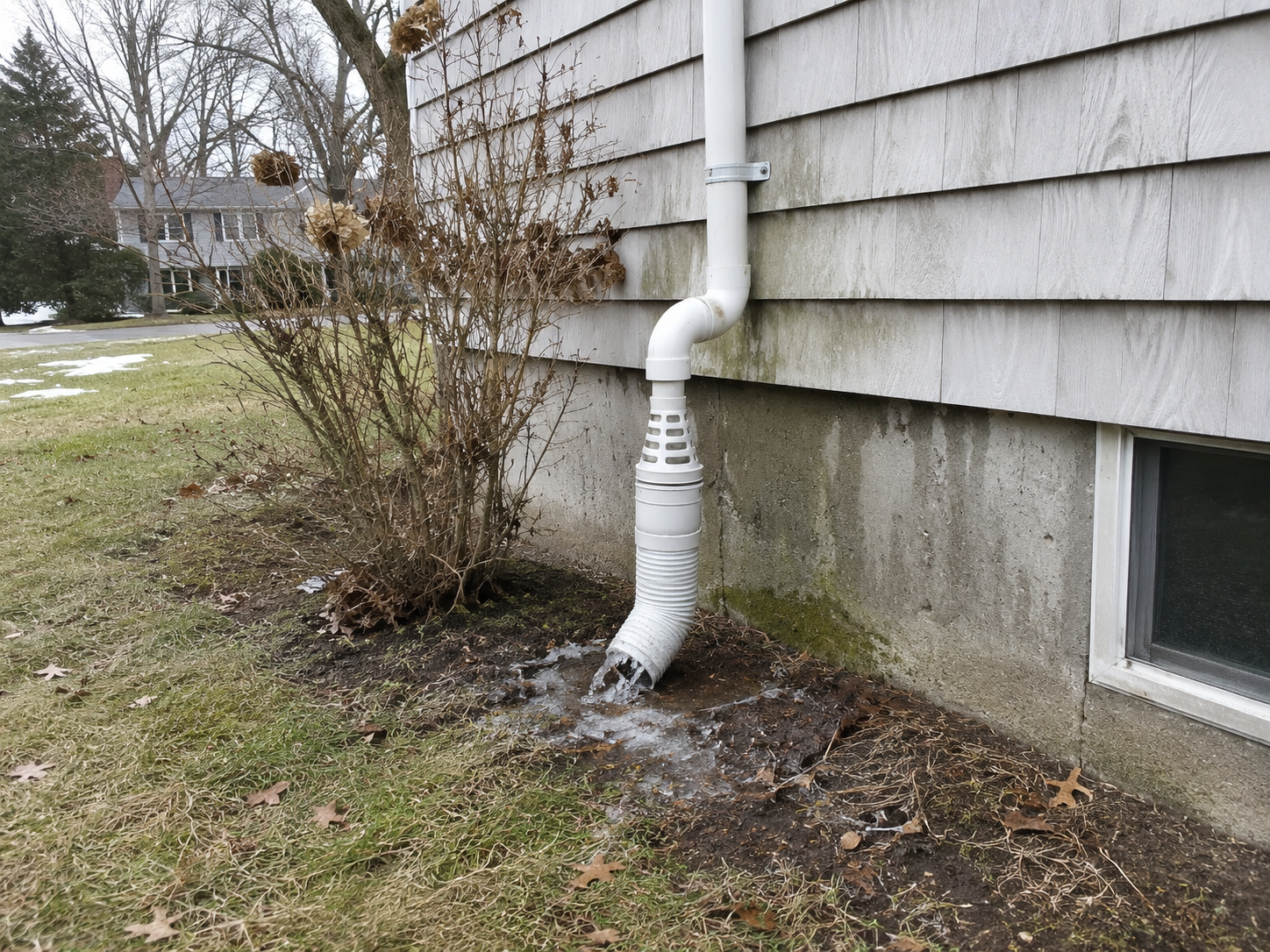
Yes. Downspouts that empty too close to the house can concentrate roof runoff beside the foundation.
That water may enter the soil and later return through the drainage system.
Extending roof discharge away from the foundation can reduce unnecessary soil saturation in some homes.
However, it will not solve naturally high groundwater.
Can an Interior Drainage System Make the Pump Run More Often?
Yes, and that is not necessarily a problem.
An interior drainage system is designed to collect groundwater before it reaches the basement floor.
It then directs that water toward the sump basin.
When groundwater is high, the drainage system may deliver large amounts of water to the pump.
Frequent activity can actually indicate that the drainage system is successfully capturing water.
What Is Sump Pump Short Cycling?
Short cycling occurs when a sump pump switches on and off too frequently over a short period.
It may happen because of a float issue, small sump pit, check valve problem, or water returning through the discharge system.
Short cycling differs from normal frequent operation caused by high groundwater.
The difference depends on how the pit refills after each pumping cycle.
Can a Bad Check Valve Make the Pump Run Too Often?
Yes. A check valve helps stop discharged water from flowing backward into the sump basin.
If the valve fails, some water can fall back into the pit after the pump shuts off.
The pump then removes the same water again.
This can create a sump pump running constantly even when new groundwater inflow is limited.
How Can I Spot Water Returning Through the Check Valve?
Watch the sump pit immediately after the pump shuts off.
A noticeable rush of water back into the basin can indicate backflow.
The water level may quickly rise enough to restart the pump.
That repeated pattern can look similar to heavy groundwater activity.
However, the source is actually the discharge system rather than the surrounding soil.
Can a Float Switch Cause Frequent Sump Pump Cycling?
Yes. The float switch determines when the pump turns on and off.
If it is incorrectly positioned or restricted, the pump may activate too frequently.
The float should move freely without contacting the basin wall, discharge pipe, wiring, or other equipment.
A damaged float can also cause delayed activation or nonstop operation.
Can a Small Sump Pit Cause Frequent Cycling?
Yes. A small basin stores less water between pump cycles.
When groundwater enters steadily, the water level may reach the float quickly.
The pump runs, empties the basin, and shuts off.
Then the small pit fills again.
This cycle can repeat frequently even when the pump itself is functioning correctly.
Can Pump Capacity Affect Cycling?
Yes. Pump capacity should match the sump basin and groundwater conditions.
A pump that removes water very quickly may empty a small basin before the surrounding drainage system has finished delivering water.
The basin then refills and starts another cycle.
More power is not automatically better.
System design matters more than simply installing the largest pump available.
Can a Clogged Discharge Line Make a Sump Pump Run Longer?
Yes. A restricted discharge pipe can prevent the pump from moving water efficiently.
Debris, damaged piping, poor routing, or ice can reduce flow.
The pump may run longer because water is leaving the basin more slowly.
In severe cases, the sump level can continue rising even while the motor is operating.
Can a Frozen Discharge Line Cause Problems in Massachusetts?
Yes. Exterior sump discharge piping can freeze during New England winters if water remains trapped inside.
A frozen line restricts where the pump can send water.
Freeze-thaw cycles may make the restriction appear and disappear as temperatures change.
Proper discharge routing and freeze protection can help reduce this risk.
Can Discharged Water Flow Back Toward the House?
Yes. Water should be discharged where it can continue moving away from the foundation.
If the outlet ends too close to the house, the water can soak back into nearby soil.
Poor grading can then direct it toward the foundation again.
This creates a loop in which the sump system repeatedly pumps water that returns to the same drainage zone.
Could a Plumbing Problem Make the Sump Pump Run?
Sometimes. A plumbing leak or other household water source can add water to the basement drainage area.
Possible sources may include:
- Leaking supply lines
- Water treatment equipment
- Condensate drains
- Utility leaks
- Improper drain connections
Timing can provide important clues.
If sump activity changes with appliance or plumbing use, groundwater may not be the only source.
How Can I Tell Groundwater From a Mechanical Problem?
Watch how and when water enters the sump pit.
Groundwater often enters steadily through drainage connections.
Mechanical problems may create different patterns.
Possible clues include:
- Immediate water return after shutdown
- Very rapid on-off cycling
- Float movement problems
- Weak discharge flow
- Pump running with little water change
- Unusual mechanical noise
One symptom rarely provides the full diagnosis.
Is a Sump Pump Running Constantly Always a Problem?
No. It may be completely appropriate during high groundwater conditions.
The real concern is whether the system can keep the water level under control.
If the pump runs frequently but the pit remains at a safe level, the system may simply be experiencing heavy groundwater demand.
However, sudden changes in cycling deserve investigation.
When Should Frequent Pumping Concern Me?
Frequent pumping deserves closer attention when it appears with other warning signs.
Watch for:
- Rising water in the sump pit
- Continuous motor operation
- Very short cycles
- Water returning after shutdown
- Weak discharge
- New noises
- Backup alarms
- Water appearing on the basement floor
These symptoms can indicate that the system is struggling rather than simply working hard.
Can Constant Operation Wear Out the Pump?
Frequent operation increases the workload on the pump and switch.
However, replacing the pump without identifying why it is running so often may not solve anything.
If groundwater is high, the replacement pump will still work frequently.
If backflow is the cause, a new pump may short cycle exactly like the old one.
Diagnosis should come before replacement.
Why Does Battery Backup Matter When the Pump Runs Frequently?
Frequent sump activity means the basement depends heavily on reliable pumping.
A power outage during high groundwater conditions can stop the primary pump while water continues entering the basin.
A battery backup sump pump can provide another layer of protection.
However, the battery, charger, backup float, pump, and discharge route must all function correctly.
What Should a Professional Sump Pump Inspection Include?
A professional should inspect the entire groundwater management system, not just the pump motor.
Important areas include:
- Pump cycling
- Sump water level
- Float operation
- Check valve
- Discharge piping
- Pump capacity
- Backup system
- Interior drainage
- Exterior grading
- Downspouts
Recent weather and seasonal groundwater conditions should also be considered.
Why Does Massachusetts Experience So Much Seasonal Sump Activity?
Massachusetts homes can experience spring snowmelt, prolonged rain, high groundwater, saturated soil, frozen discharge lines, and repeated freeze-thaw cycles.
These conditions change throughout the year.
As a result, the same sump system may remain quiet during one season and become extremely active during another.
Local conditions matter when deciding whether frequent cycling is normal.
Why Is Diagnosis More Important Than Simply Stopping the Pump?
Because the sump pump is responding to something.
The goal should not be to make it run less at any cost.
The goal is to determine why water is reaching the pit and whether the system is managing that water efficiently.
All Pro Basement brings more than 25 years of hands-on experience evaluating sump pumps, groundwater, drainage, and basement waterproofing conditions.
Owner Diego Tameirao personally oversees projects, while Project Manager Keila Tameirao helps coordinate homeowners throughout the process.
When a sump pump running constantly is properly diagnosed, the next step depends on whether the cause is real groundwater demand, short cycling, backflow, discharge problems, drainage conditions, or equipment performance.
How Can I Tell If My Sump Pump Is Running Too Often?
A sump pump may be running too often when cycling becomes noticeably more frequent without a clear increase in groundwater.
However, frequency alone does not prove a problem.
The important question is whether the sump pit is receiving real water or whether the system is repeatedly moving the same water.
A sump pump running constantly should be evaluated by watching how quickly the basin fills and where that water comes from.
What Is Sump Pump Short Cycling?
Short cycling happens when a sump pump repeatedly starts and stops over short intervals.
It can result from float switch settings, a small sump basin, check valve failure, or water flowing back through the discharge pipe.
Short cycling differs from legitimate frequent pumping during high groundwater.
The pattern of water returning to the basin helps distinguish the two.
Why Does Water Flow Back Into the Sump Pit?
Water can return when the check valve does not close correctly after the pump shuts off.
The water still inside the discharge pipe can then flow backward into the basin.
Consequently, the pump may restart and remove some of the same water again.
This repeated cycle can create the impression of a sump pump running constantly.
Can a Bad Check Valve Cause Constant Cycling?
Yes. A damaged, improperly installed, or obstructed check valve can allow significant backflow.
The pump then works more often than necessary.
A professional can observe water movement immediately after shutdown and inspect the valve for proper operation.
Check valve replacement may solve the cycling issue when groundwater inflow itself is not excessive.
Can Discharged Water Return Toward the Foundation?
Yes. Water discharged too close to the home may soak into soil beside the foundation.
If grading slopes toward the house, that water may eventually return to the interior drainage system.
This creates a loop in which the pump removes water and the property sends it back toward the basement.
The EPA recommends directing surface water away from foundations.
How Can Poor Grading Increase Pump Demand?
Poor grading allows runoff to collect beside foundation walls.
That water can enter the soil and increase groundwater around the basement.
As a result, the sump pump may continue operating long after the original rain event ends.
Exterior drainage should therefore be included when investigating a sump pump running constantly.
Can a Small Sump Pit Make the Pump Run More Often?
Yes. A smaller basin reaches the pump’s activation level more quickly.
During steady groundwater inflow, the basin may fill, empty, and refill repeatedly.
The pump may be functioning normally while the basin creates unnecessary cycling.
Sump pit size should be considered together with pump capacity and float settings.
Can a Float Switch Cause Frequent Cycling?
Yes. The float switch controls when the pump starts and stops.
If the float has too little travel, the pump may activate after only a small increase in water level.
A restricted or damaged float can also cause irregular operation.
It should move freely without contacting pipes, cords, or the basin wall.
What Happens If the Float Switch Gets Stuck?
A stuck float can create two very different problems.
If it stays in the raised position, the pump may continue running.
If it cannot rise, the pump may fail to start while water fills the pit.
Both conditions require attention because the float is essential to automatic operation.
Can a Clogged Discharge Line Affect Pump Operation?
Yes. A restricted discharge line can slow the amount of water leaving the sump system.
The pump may run longer or cycle more frequently.
Possible restrictions include:
- Debris
- Ice
- Crushed piping
- Improper slope
- Blocked outlets
- Damaged fittings
The discharge route should remain open from the pump to the final outlet.
Can a Frozen Discharge Line Cause Constant Pumping?
Yes. A frozen exterior discharge line can prevent the pump from moving water away efficiently.
The motor may run while the pit level drops slowly or not at all.
This is especially relevant in Massachusetts winters.
Freeze-thaw cycles can make the problem intermittent.
Advanced freeze flow protection may provide another discharge path when appropriate.
Can a Pump Be Too Small for the Groundwater Demand?
Yes. A pump that cannot remove water as fast as it enters the basin may run almost continuously.
The pit level may remain high even though the motor is operating.
That is different from short cycling.
Pump capacity should be matched to groundwater inflow, basin design, discharge height, and piping conditions.
Can a Pump Be Too Large?
Yes. An oversized pump can empty a small basin very quickly.
The pump shuts off, the basin immediately begins refilling, and another cycle starts.
This can increase starts and stops unnecessarily.
The best sump system is balanced rather than simply equipped with the largest pump available.
When Should a Sump Pump Be Serviced?
A sump pump should be inspected when cycling patterns change, discharge weakens, the float behaves irregularly, or unusual noises appear.
Service is also appropriate before seasons with high groundwater.
Important inspection points include:
- Pump operation
- Float movement
- Check valve
- Basin condition
- Discharge line
- Electrical connection
- Backup system
Maintenance helps identify problems before the basement depends on the pump during severe weather.
When Should a Sump Pump Be Replaced?
Replacement may be appropriate when the pump becomes unreliable, repeatedly fails testing, develops mechanical problems, or cannot handle normal groundwater demand.
However, replacement should follow diagnosis.
A new pump will not solve poor grading, check valve backflow, a blocked discharge line, or water returning toward the foundation.
Why Can Replacing the Pump Fail to Solve the Problem?
Because the pump may only be reacting to another problem.
For example, a new pump can still cycle constantly if groundwater remains high.
It can also short cycle if discharge water continues returning through a failed check valve.
A sump pump running constantly should therefore be diagnosed as part of an entire water-management system.
Can a Battery Backup Sump Pump Help?
Yes. A battery backup sump pump adds protection if the primary pump fails or power is lost while groundwater continues entering the pit.
This is especially valuable when sump activity is frequent.
However, backup equipment does not reduce groundwater.
It provides redundancy while the primary system manages water.
What Should a Battery Backup System Include?
A complete backup system should have functioning components that work together.
These commonly include:
- Backup pump
- Battery
- Charger
- Float switch
- Alarm
- Discharge connection
A battery alone does not provide protection if the pump or discharge route cannot operate correctly.
Can High Groundwater Overwhelm Both Pumps?
Yes. Extremely high inflow can challenge any pumping system.
That is why groundwater volume and drainage design matter.
Building Science Corporation explains that below-grade water control must account for groundwater and drainage around foundations.
Backup protection works best when the overall drainage system is properly designed.
Can Exterior Drainage Reduce Sump Pump Activity?
Yes. Reducing the amount of water reaching the foundation can reduce pump demand.
Useful improvements may include:
- Correcting grading
- Extending downspouts
- Improving runoff paths
- Correcting discharge placement
- Installing drainage where appropriate
Not every home requires extensive exterior work.
The recommendation should match the actual water source.
Can Interior Drainage Improvements Help?
Yes, when the existing drainage system is damaged, obstructed, or poorly designed.
A properly functioning interior drainage system should collect groundwater and direct it efficiently toward the sump basin.
However, better drainage may also increase water arriving at the sump because more groundwater is being captured.
That does not automatically mean the system is performing poorly.
Why Does Sump Pump Maintenance Matter Before Spring?
Spring snowmelt can raise groundwater across Massachusetts even when daily rainfall is low.
A system that seemed quiet during winter may suddenly receive heavy inflow.
Testing the pump, backup, float, and discharge system before spring helps identify weaknesses before groundwater levels rise.
How Can New England Winters Affect the System?
Cold weather can affect both exterior drainage and sump discharge.
Frozen soil can redirect surface water.
Meanwhile, exterior pipes may freeze if water remains trapped inside them.
When thawing begins, large amounts of moisture can enter the ground.
This combination can contribute to a sump pump running constantly during seasonal transitions.
When Should I Call a Sump Pump Professional?
Call a professional when the pump runs nearly nonstop, cycles every few minutes without clear groundwater inflow, or cannot keep the basin level under control.
Other reasons include:
- Water returning after shutdown
- Weak discharge
- Float problems
- Frozen piping
- Backup alarms
- Basement water
- Sudden cycling changes
A complete inspection should determine whether the issue is groundwater, drainage, equipment, or several factors together.
All Pro Basement evaluates sump pumps as part of the entire basement water-management system.
The company is family-owned and operated with more than 25 years of hands-on experience in Massachusetts homes.
Diego Tameirao personally oversees projects, while Project Manager Keila Tameirao helps coordinate homeowners throughout the process.
The goal is an honest evaluation without high-pressure sales.
That may lead to maintenance, check valve replacement, float adjustment, discharge improvements, a new pump, backup protection, or drainage work.
Not every home needs every service.
Frequently Asked Questions About Frequent Sump Pump Cycling
Why Is My Sump Pump Running When It Has Not Rained?
Groundwater can remain elevated after earlier storms or snowmelt.
Water may take hours or days to travel through saturated soil before reaching the sump pit.
Current weather does not always reflect current groundwater conditions.
Is It Normal for a Sump Pump to Run Every Few Minutes?
It can be normal during high groundwater conditions.
However, rapid cycling may also indicate a check valve problem, small sump basin, float issue, or returning discharge water.
The source of the refill should be identified.
Can a High Water Table Make a Sump Pump Run Constantly?
Yes. A high water table can continually feed water toward foundation drainage.
If that water enters the sump pit steadily, frequent pumping may be necessary.
A sump pump running constantly may therefore be performing correctly during elevated groundwater conditions.
Can Snowmelt Make My Sump Pump Run All Day?
Yes. Snowmelt can saturate soil and raise groundwater without active rainfall.
This is common during New England spring thaws.
Pump activity may remain elevated until the surrounding ground drains and the water table falls.
Why Does Water Keep Returning to My Sump Pit?
Water may return through a failed check valve or from a discharge outlet located too close to the foundation.
It can also be new groundwater entering through perimeter drainage.
Observing where the water enters helps determine the cause.
Can Frequent Cycling Damage a Sump Pump?
Frequent starts can increase wear on the motor and switch.
However, reducing cycling requires correcting the cause.
Simply replacing the pump may not help if the problem is groundwater, backflow, float settings, or discharge routing.
Should I Worry If My Sump Pump Runs All Day?
You should investigate continuous operation, especially if the pit level remains high.
The pump may be managing high groundwater.
However, nonstop operation can also indicate inadequate capacity, a stuck float, or restricted discharge.
When Should I Replace My Sump Pump?
Replacement makes sense when the pump becomes unreliable, cannot manage normal water inflow, or develops significant mechanical problems.
The new pump should be selected based on actual groundwater, basin, and discharge conditions.
What Is the Best Long-Term Solution?
The best solution depends on why water keeps entering the sump pit.
High groundwater may require dependable pumping and backup protection.
Short cycling may require float or basin changes.
Backflow may require check valve work.
Poor exterior drainage may require improvements outside the home.
A sump pump running constantly should not simply be switched off or replaced without understanding the cause.
The goal is reliable groundwater management with the pump, drainage, basin, backup, and discharge system working together.
Contact All Pro Basement Today to find out why your sump pump keeps running and whether groundwater, drainage, maintenance, or system repairs are needed to protect your Massachusetts basement.