Introduction
A basement is dry enough to finish only after moisture sources are checked, not simply because the floor looks dry. Hidden water can remain in masonry, floor slabs, wall cavities, insulation, or cracks. Humidity, groundwater, condensation, and past seepage should be evaluated before walls or flooring are installed.
Author: All Pro Basement
Updated: October 21, 2026
A basement can look completely dry during a quick walkthrough and still contain moisture problems.
That matters because finishing materials can hide conditions that were once easy to see.
Basement finishing moisture should therefore be evaluated before framing, drywall, flooring, or insulation covers the foundation.
Can a Basement Look Dry and Still Have Moisture Problems?
Yes. Moisture does not always appear as standing water or an active leak.
It may exist as vapor, elevated humidity, damp masonry, slab moisture, or small amounts of seepage that occur only during certain weather.
A dry-looking basement is only one piece of evidence.
Seasonal conditions and past water history matter just as much.
Where Does Hidden Basement Moisture Come From?
Hidden moisture can come from several sources.
Common examples include:
- Groundwater
- Foundation seepage
- Condensation
- High humidity
- Plumbing leaks
- Floor moisture
- Wall-floor joint seepage
- Poor exterior drainage
- Foundation cracks
More than one source can exist at the same time.
Why Does Moisture Matter Before Basement Finishing?
Because walls, flooring, insulation, and framing can trap moisture in places that are difficult to inspect later.
Once a basement is finished, a small water problem may become hidden behind expensive materials.
That can increase the risk of damaged finishes, odors, staining, and mold-prone conditions.
The EPA emphasizes controlling moisture as a key part of mold prevention.
Can Moisture Hide Behind Basement Walls?
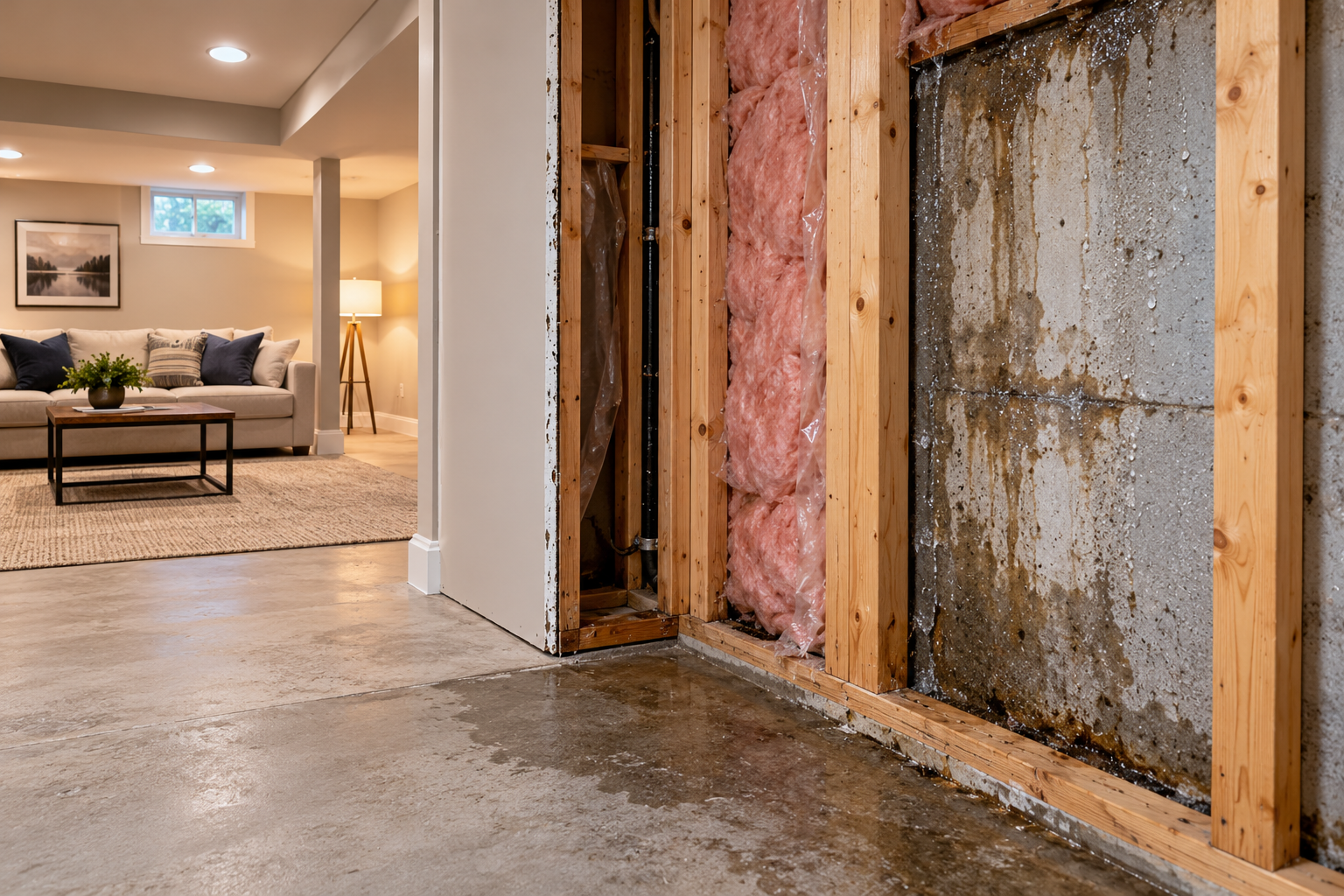
Yes. Moisture may develop behind framing or drywall when foundation walls remain damp.
The finished surface may still look normal for some time.
Meanwhile, the hidden cavity can remain cooler and less ventilated than the room.
That can slow drying and make basement finishing moisture harder to detect.
Can Insulation Hide Foundation Moisture?
Yes. Existing insulation can conceal staining, dampness, efflorescence, or small foundation cracks.
This is especially important in partially finished basements.
A professional inspection may need access to the actual foundation surface to understand what is happening.
Covering a problem does not eliminate the moisture source.
Can High Humidity Affect a Finished Basement?
Yes. High humidity can create moisture problems even without a leak.
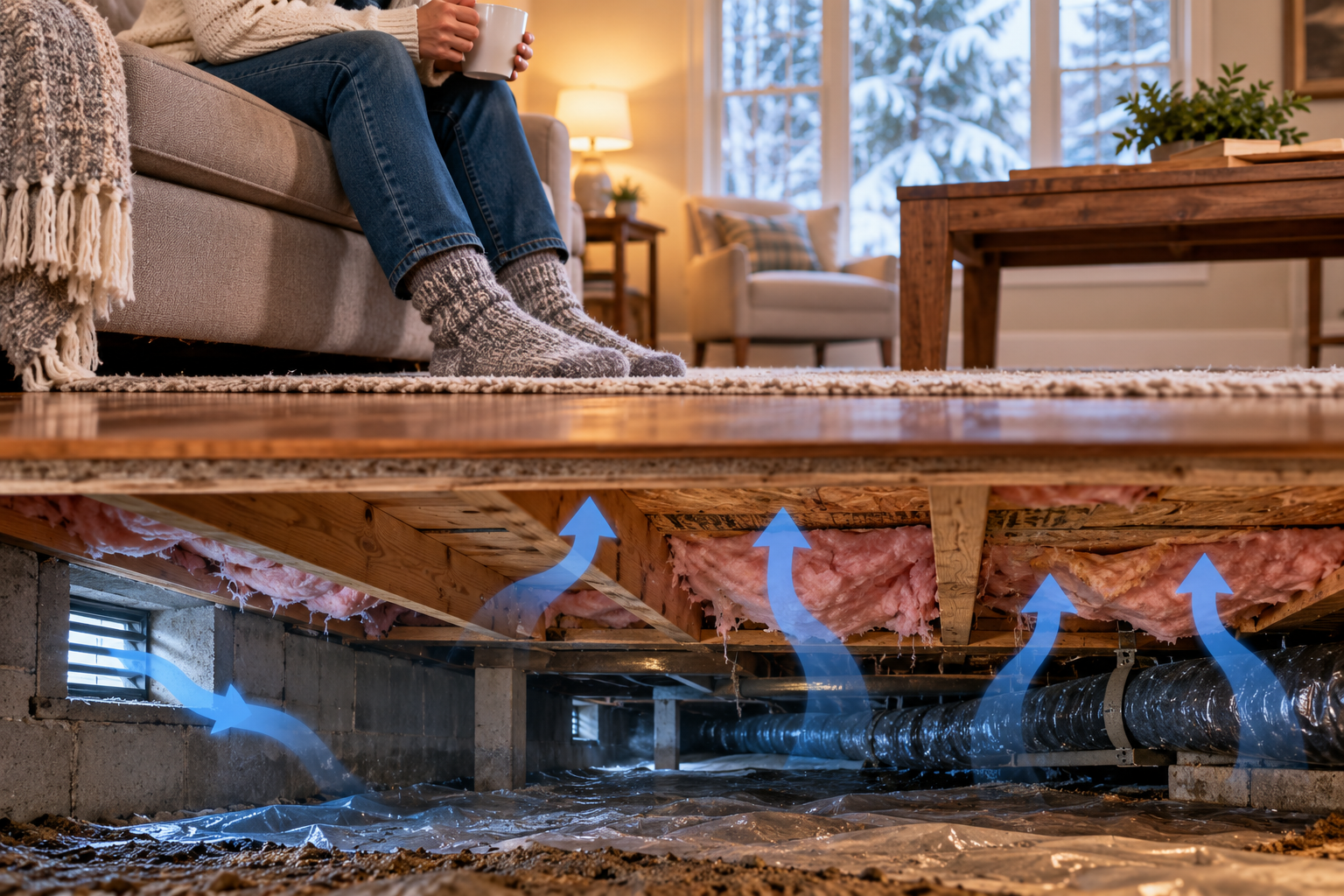
Warm, humid air can enter a cool basement and raise relative humidity.
Condensation may then form on cool pipes, walls, floors, or HVAC surfaces.
Massachusetts summers can make this especially noticeable.
Basement finishing moisture should therefore include both liquid water and airborne moisture.
How Is Condensation Different From Foundation Seepage?
Condensation forms when humid air meets a cool surface.
Foundation seepage comes from water moving through or around the foundation.
The two can look similar.
For example, a damp wall may be caused by humid air condensing on masonry rather than groundwater entering through it.
Timing, humidity, weather, and wall patterns help distinguish the causes.
Can Groundwater Reach a Basement Without Flooding?
Yes. Groundwater can move through cracks, joints, porous masonry, or the connection between the wall and floor.
The result may be dampness rather than standing water.
A basement may never flood and still have enough foundation moisture to affect finishing materials.
This is why basement finishing moisture should be evaluated before the basement is enclosed.
What Is Wall-Floor Joint Seepage?
Wall-floor joint seepage occurs where the foundation wall meets the basement slab.
Groundwater pressure beneath or beside the foundation can push moisture toward this junction.
The water may appear only after heavy rain or snowmelt.
At other times, the area can look completely dry.
That seasonal pattern is an important clue.
Can Moisture Move Through a Concrete Floor?
Yes. Concrete is not automatically a complete moisture barrier.
Water vapor and moisture can migrate through a slab depending on site conditions and construction details.
Building Science Corporation discusses the importance of managing moisture below basement slabs and walls.
Floor moisture matters before installing finished flooring.
Why Can Flooring Fail Over a Damp Basement Slab?
Flooring can trap moisture that would otherwise evaporate from the concrete surface.
Depending on the material and installation, moisture may affect adhesives, flooring layers, or materials underneath.
A floor that looks dry during installation may behave differently after the surface is covered.
Therefore, slab conditions should be evaluated before basement finishing begins.
Can Foundation Cracks Cause Hidden Moisture?
Yes. Some foundation cracks allow water movement during rain, snowmelt, or periods of elevated groundwater.
The crack may remain dry most of the year.
However, if drywall covers it, future seepage can become hidden.
Foundation cracks should be evaluated before framing closes access to the wall.
Not every crack is structural, but every moisture-active crack deserves proper diagnosis.
What Does Efflorescence Tell You?
Efflorescence is a white mineral deposit left when moisture moves through masonry and evaporates.
It is not mold.
However, it can indicate that water has moved through the wall in the past.
Even if the wall is dry today, efflorescence may reveal a history of foundation moisture.
That makes it useful during a pre-finishing inspection.
Why Do Musty Odors Matter Before Remodeling?
A musty smell can indicate that moisture is affecting hidden or porous materials.
Possible sources include wood, cardboard, insulation, old flooring, or enclosed wall cavities.
Odor alone cannot identify the cause.
However, it should not be ignored before basement finishing.
A finished room can make the moisture source harder to locate later.
Can Past Water Stains Still Matter?
Yes. Old water stains can reveal where moisture traveled during earlier weather events.
The basement may be dry now because groundwater is lower or the weather has been mild.
Past staining helps establish a history.
A basement should be judged across seasons, not only by how it looks on one dry day.
How Does Spring Snowmelt Affect Basement Moisture?
Spring snowmelt can raise soil moisture and groundwater around Massachusetts homes.
The basement may remain dry during winter but become damp as frozen ground thaws.
This seasonal change can expose moisture pathways that are invisible during other months.
Basement finishing moisture should account for spring conditions before walls are closed.
Can Heavy Rain Reveal Hidden Problems?
Yes. Some basements stay dry during normal rain but show seepage during prolonged or intense storms.
That may indicate limited drainage capacity, saturated soil, cracks, or high groundwater.
A remodeling decision based only on mild weather can miss these conditions.
Past storm behavior is important during inspection.
How Can Poor Exterior Drainage Affect a Future Finished Basement?
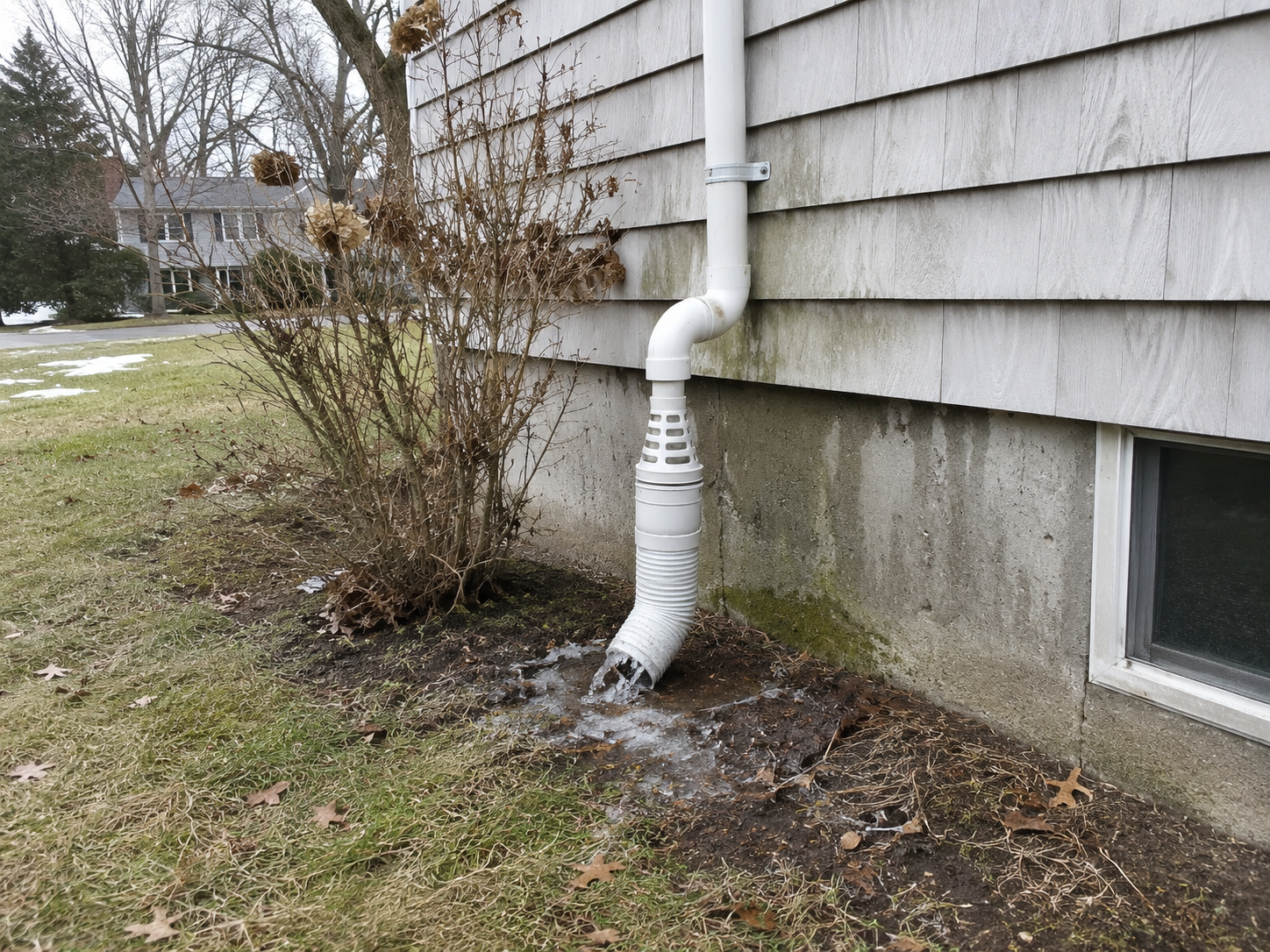
Poor exterior drainage can keep unnecessary water near the foundation.
Negative grading, short downspouts, gutter overflow, and low spots can increase soil saturation.
That moisture may eventually reach basement walls or the floor.
The EPA recommends directing surface water away from building foundations.
Exterior water management should therefore be considered before basement finishing.
Can a High Water Table Create Hidden Moisture?
Yes. A high water table can increase groundwater pressure around and below the foundation.
The basement may show only minor dampness instead of obvious flooding.
However, finishing materials can be less forgiving than exposed masonry.
A small moisture issue can become more consequential once the area is enclosed.
Why Should the Sump Pump Be Checked Before Finishing?
Because the sump system may become one of the main defenses protecting the finished space.
A professional should inspect the pump, basin, float, discharge line, and backup protection where applicable.
If the sump system is unreliable, the risk changes once drywall, flooring, furniture, and insulation are added.
Can an Interior Drainage System Protect a Finished Basement?
Yes. An interior drainage system can collect groundwater and direct it toward a sump basin.
However, it should be functioning correctly before the finishing work begins.
A finished basement should not block access to important drainage components.
Planning waterproofing and remodeling together can reduce future disruption.
Should Every Basement Be Waterproofed Before Finishing?
No. Not every basement needs a complete waterproofing system.
The right approach depends on moisture history, groundwater, cracks, drainage, humidity, and foundation condition.
Some basements may need only localized corrections.
Others may require drainage, sump improvements, crack repair, or broader waterproofing.
Basement finishing moisture should drive the decision, not a one-size-fits-all package.
What Should Be Inspected Before Framing Basement Walls?
A pre-finishing inspection should look at the parts of the basement that will soon become hidden.
Important areas include:
- Foundation walls
- Floor-wall joints
- Concrete slab
- Foundation cracks
- Water stains
- Efflorescence
- Existing insulation
- Sump pit
- Drainage systems
- Plumbing lines
Exterior grading and downspouts should also be reviewed.
Why Should Plumbing Be Checked Too?
Not every damp basement problem comes from groundwater.
Small plumbing leaks can wet framing, insulation, ceilings, or wall cavities.
Condensate lines and utility equipment can also release moisture.
A proper assessment separates plumbing sources from foundation and drainage problems.
This avoids solving the wrong problem.
How Can a Professional Separate Old Damage From Active Moisture?
A professional compares visual evidence with current conditions.
Old staining may remain after a past leak was corrected.
Active moisture may show changing color, wet surfaces, recent efflorescence, elevated humidity, or patterns linked to weather.
Seasonal history also matters.
The goal is to identify what is happening now and what could return after the basement is finished.
Why Can Finishing Too Soon Become Expensive?
Because repairs are easier when foundation walls and floors are exposed.
After framing, insulation, drywall, flooring, trim, and built-ins are installed, access becomes more difficult.
A small water correction may then require removing finished materials first.
Identifying basement finishing moisture before construction protects both the structure and the remodeling investment.
Why Does New England Climate Make Pre-Finishing Inspection Important?
New England basements experience very different conditions throughout the year.
Humid summers can create condensation.
Spring snowmelt can raise groundwater.
Heavy rain can saturate soil.
Freeze-thaw cycles can affect foundations, exterior grading, and drainage.
A basement that appears dry in October may behave differently during spring.
Why Should Older Foundations Receive Extra Attention?
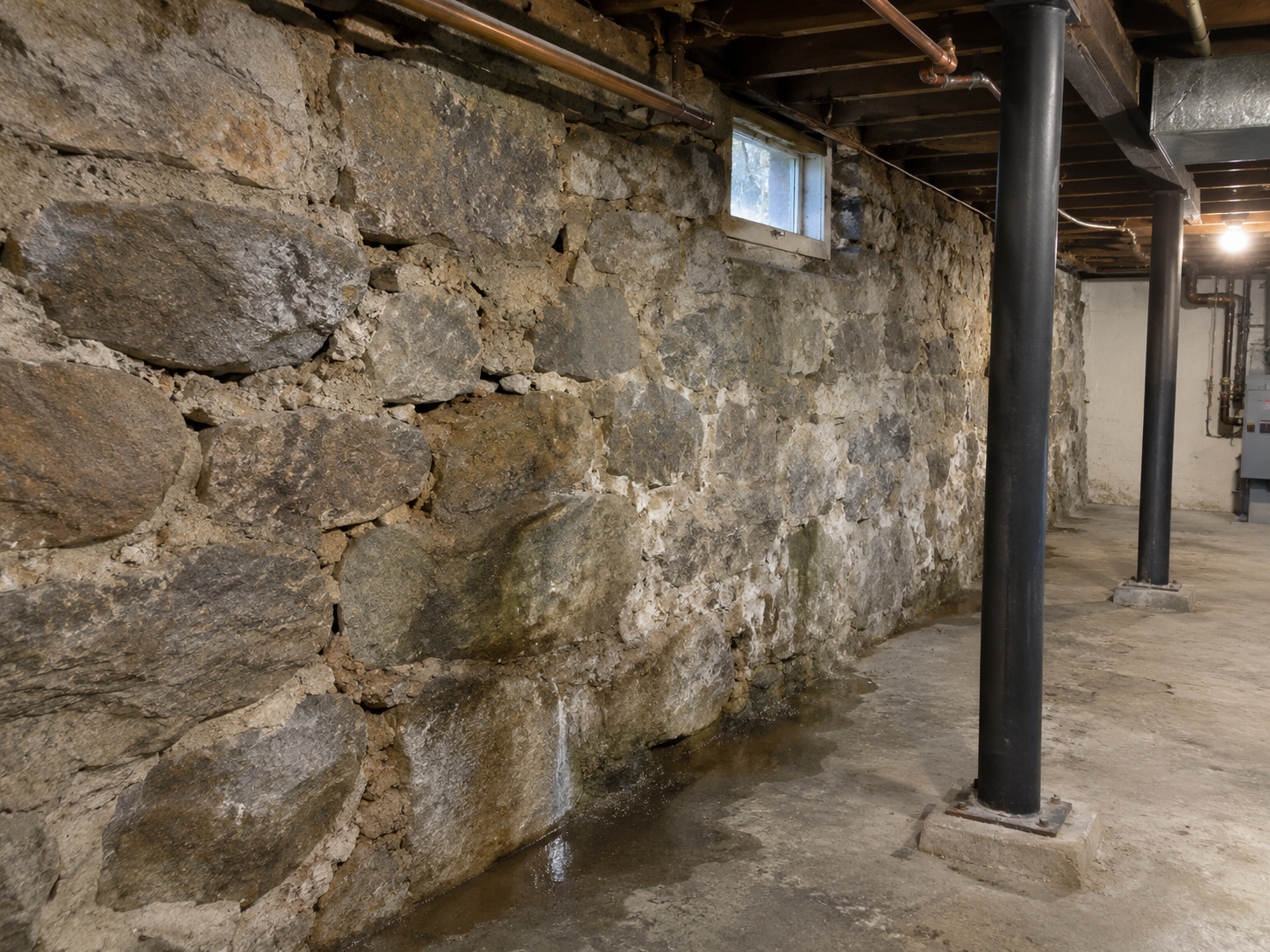
Older homes may have fieldstone walls, aging mortar, older drainage systems, or repairs from different construction periods.
These foundations can perform well, but moisture may move through them differently from modern poured concrete.
Existing masonry, cracks, drainage, and past repairs should be evaluated before covering the walls.
How Does All Pro Basement Approach Pre-Finishing Moisture?
All Pro Basement evaluates the basement as both a construction space and a water-management system.
The company reviews foundation conditions, moisture patterns, drainage, sump systems, cracks, and finishing plans together.
With more than 25 years of hands-on experience, the team works with both older and modern Massachusetts basements.
Owner Diego Tameirao personally oversees projects, while Project Manager Keila Tameirao helps coordinate the remodeling process.
When basement finishing moisture is identified before construction begins, the next step can be matched to the real cause instead of trapping an unresolved problem behind the new walls.
How Can Hidden Moisture Be Detected Before Finishing?
Hidden moisture can be detected by combining visual inspection, humidity readings, moisture testing, weather history, and evaluation of drainage and foundation conditions.
No single test should be treated as the entire diagnosis.
The goal is to understand whether moisture is active, seasonal, or tied to a past event.
Should You Test Basement Humidity Before Remodeling?
Yes. Basement humidity should be measured before finishing begins.
High humidity can affect comfort, materials, and the risk of condensation.
A basement may look dry while still carrying enough airborne moisture to create problems behind walls.
The EPA recommends controlling indoor moisture as part of mold prevention.
Humidity readings are especially useful during warm, humid weather.
Can Moisture Hide Under Basement Flooring?
Yes. Moisture can move through a concrete slab and become trapped under flooring.
That moisture may not be visible before the floor is covered.
Depending on the flooring system, trapped moisture can affect adhesives, underlayment, or finished surfaces.
Basement finishing moisture should therefore include slab conditions, not only wall conditions.
How Can Slab Moisture Be Evaluated?
A professional can inspect the slab for staining, damp areas, efflorescence, and signs of previous water movement.
Additional testing may be appropriate depending on the planned flooring.
The floor should be evaluated in context with groundwater, drainage, and basement humidity.
One dry day is not enough to describe every seasonal condition.
Should Foundation Cracks Be Repaired Before Finishing?
Yes, when cracks are allowing moisture in or require structural attention.
Once framing and drywall are installed, access becomes more difficult.
A crack that looks minor during dry weather may leak when groundwater rises.
Repairing active problems before finishing can avoid removing completed work later.
Does Every Foundation Crack Need the Same Repair?
No. Foundation cracks have different causes and behaviors.
Some are stable and dry.
Others allow seepage.
Some may require structural evaluation.
The repair method should match the condition rather than treating every crack as identical.
This is especially important when planning a finished basement.
When Is Basement Waterproofing Necessary Before Remodeling?
Basement waterproofing is appropriate when water intrusion, groundwater, or drainage conditions create a meaningful risk to the finished space.
However, not every basement needs a full waterproofing system.
Some homes may only need targeted repairs or humidity control.
Others may require interior drainage, sump improvements, or broader water management.
Basement finishing moisture should determine the scope.
Can Waterproofing and Basement Finishing Be Planned Together?
Yes. Planning them together can reduce conflicts between drainage systems, walls, flooring, access points, and finished materials.
This can be especially useful when the basement has a history of water problems.
The waterproofing system should protect the space without being blocked by the future remodel.
Likewise, the finishing plan should preserve access to pumps, drains, valves, and service areas.
Can an Interior Drainage System Protect a Finished Basement?
Yes. An interior drainage system can capture groundwater that reaches the foundation and direct it toward a sump basin.
This helps manage water before it spreads across the basement floor.
Building Science Corporation explains that below-grade moisture control often depends on drainage and capillary control.
A drainage system should be functioning properly before walls and flooring conceal access.
Should a Sump Pump Be Inspected Before Finishing?
Yes. A sump pump should be tested before the basement becomes a finished living or storage space.
The inspection should consider:
- Pump operation
- Float switch
- Check valve
- Sump basin
- Discharge line
- Power supply
- Backup protection
A finished basement increases the value of what can be damaged if the pump fails.
Can a Battery Backup Protect a Finished Basement?
Yes. A battery backup sump pump can provide protection when the primary pump loses power or stops working.
This can be useful in homes where groundwater continues entering during storms.
However, a backup system does not correct drainage or foundation problems.
It adds redundancy to the pumping system.
Does Every Finished Basement Need a Battery Backup?
No. The need depends on groundwater, sump activity, outage risk, pump dependence, and the consequences of a failure.
A basement with frequent sump activity may benefit more from backup protection than a basement with little groundwater.
The recommendation should match the actual system.
Can Exterior Drainage Still Matter After Interior Waterproofing?
Yes. Exterior drainage can reduce the amount of water reaching the foundation.
Poor grading, short downspouts, or gutter overflow can continue saturating soil even when an interior system is present.
Interior drainage and exterior water management address different parts of the problem.
In some homes, improving both can reduce overall moisture pressure.
What Materials Work Better in Moisture-Prone Basements?
Materials selected for a basement should account for the possibility of humidity and occasional moisture exposure.
The best choices depend on the basement design and local conditions.
The U.S. Department of Energy provides guidance on basement insulation and moisture control.
Material selection should follow moisture diagnosis, not replace it.
Why Is Drywall Alone Not a Moisture Solution?
Drywall covers a wall.
It does not stop groundwater, condensation, vapor, or drainage problems.
If basement finishing moisture exists behind drywall, the finished surface can hide the symptoms temporarily.
The underlying water source continues to exist.
That is why moisture control should happen before cosmetic work.
Why Can Insulation Make Moisture Problems Harder to See?
Insulation can conceal foundation surfaces and reduce visual access.
If water enters behind the insulation, it may remain hidden until odors, staining, or damage appear.
The insulation strategy should therefore be compatible with the basement’s moisture conditions.
Different wall assemblies manage drying in different ways.
The foundation should be understood before the wall system is selected.
Can Historic Fieldstone Walls Be Finished Safely?
Yes, but they require careful evaluation.
Fieldstone foundations can manage moisture differently from modern concrete walls.
Mortar condition, seepage, drainage, and drying potential should be reviewed before they are covered.
A damp historic wall should not simply disappear behind framing.
Fieldstone foundation repointing or drainage work may be necessary before remodeling in some homes.
Should Old Water Damage Be Removed Before Finishing?
Yes, damaged or moisture-sensitive materials should be evaluated before they are enclosed.
Wet insulation, deteriorated drywall, damaged trim, or mold-affected porous materials may require removal.
The moisture source should also be corrected.
Replacing damaged material without fixing the cause can allow the problem to return.
Can a Dehumidifier Solve Basement Finishing Moisture?
A dehumidifier can help control airborne humidity, but it cannot stop foundation seepage or groundwater.
It is useful when humidity is part of the problem.
However, water entering through cracks or floor joints requires a different solution.
Basement finishing moisture should be separated into humidity, liquid water, and vapor sources.
How Can You Tell If the Basement Is Truly Ready?
A basement is more likely to be ready when no active seepage is present, humidity is controlled, cracks have been evaluated, drainage works correctly, and the sump system is reliable.
The basement should also have a clear moisture history.
Seasonal risks should be considered before construction begins.
Readiness is based on the system, not just appearance.
How Long Should a Basement Stay Dry Before Finishing?
There is no universal number of dry days that proves a basement is ready.
A dry period during mild weather may not represent spring snowmelt, heavy rain, or humid summer conditions.
The better approach is to evaluate the basement across known risk conditions.
Past water history can be just as important as current dryness.
Why Is Seasonal History So Important in Massachusetts?
Massachusetts basements can experience very different moisture conditions throughout the year.
Spring snowmelt can raise groundwater.
Summer humidity can create condensation.
Heavy rain can saturate soil.
Freeze-thaw cycles can change drainage patterns.
Basement finishing moisture should be evaluated with these seasonal changes in mind.
What Happens If You Finish a Damp Basement?
Finishing a damp basement can trap moisture behind materials and make future repairs more expensive.
Possible consequences include:
- Damaged drywall
- Flooring problems
- Musty odors
- Deteriorated insulation
- Hidden staining
- Mold-prone conditions
- Difficult access to leaks
The finished room may look complete while the problem continues behind it.
Should Basement Finishing Start With Design or Moisture Control?
Moisture control should come first.
Design choices become safer once foundation, drainage, humidity, and sump conditions are understood.
That does not mean every basement needs extensive repair.
It means the finishing plan should be built around real building conditions.
A beautiful remodel is more durable when water management is addressed first.
When Should I Call a Basement Professional?
Call a professional when the basement has a history of leaks, musty odors, foundation cracks, sump activity, unexplained stains, high humidity, or previous water damage.
Professional evaluation is also useful before major remodeling.
It can help identify problems that may become hidden once construction begins.
How Does All Pro Basement Combine Waterproofing and Remodeling?
All Pro Basement evaluates moisture control and basement finishing as connected parts of one project.
The company is family-owned and operated with more than 25 years of hands-on experience.
Diego Tameirao personally oversees projects, while Project Manager Keila Tameirao helps coordinate planning and remodeling.
This approach allows drainage, waterproofing, foundation repairs, and finishing details to be considered before the basement is enclosed.
The goal is an honest evaluation without high-pressure sales.
A homeowner may need only humidity control or localized repair.
Another property may need drainage, sump improvements, waterproofing, or crack repair before remodeling begins.
Not every basement needs every service.
Frequently Asked Questions About Basement Finishing Moisture
How Do I Know If My Basement Is Dry Enough to Finish?
A basement is more likely to be ready when there is no active seepage, humidity is controlled, drainage works properly, cracks are evaluated, and the slab and walls show no unresolved moisture issues.
Past water history should also be reviewed.
A dry appearance alone is not enough.
Should I Waterproof My Basement Before Finishing It?
Only when moisture conditions justify it.
Some basements need full waterproofing.
Others may only need crack repair, drainage improvements, sump maintenance, or humidity control.
The correct solution depends on the moisture source.
Can Moisture Be Trapped Behind Basement Drywall?
Yes. Foundation moisture, condensation, or seepage can remain hidden behind drywall and insulation.
The finished surface may appear normal until staining, odor, or damage develops.
That is why basement finishing moisture should be addressed before walls are closed.
Can Basement Flooring Hide Moisture?
Yes. Flooring can conceal moisture moving through a concrete slab.
The problem may appear later as adhesive failure, staining, odor, or damaged materials.
The slab should be evaluated before finished flooring is installed.
Should I Repair Cracks Before Finishing My Basement?
Yes, when cracks are active, leaking, or require structural attention.
Repairing them while the wall is exposed is usually easier than accessing them after framing and drywall are installed.
The crack should first be diagnosed correctly.
Do I Need a Sump Pump Before Basement Finishing?
Not every basement needs one.
A sump pump is most relevant where groundwater or an interior drainage system requires active water removal.
Existing sump systems should be inspected before finishing.
The need depends on actual groundwater and drainage conditions.
Can I Finish a Basement With a History of Water Problems?
Yes, if the source has been identified and the water-management plan is appropriate.
A history of moisture does not automatically prevent remodeling.
However, unresolved water intrusion should not be hidden behind new finishes.
What Happens If I Finish a Basement With Hidden Moisture?
Hidden moisture can affect drywall, insulation, flooring, framing, and indoor air conditions.
Repairs may later require opening finished walls or removing flooring.
Correcting the moisture source first reduces that risk.
What Is the Best Way to Protect a Basement Remodeling Investment?
The best approach is to treat moisture control as part of the remodeling plan from the beginning.
Basement finishing moisture should be identified before materials are selected or walls are closed.
That may mean humidity control, crack repair, drainage improvements, sump maintenance, waterproofing, or no major water work at all.
The solution should fit the specific basement.
When moisture management and remodeling are planned together, the finished space can be built around real foundation and drainage conditions instead of assumptions.
Contact All Pro Basement Today to find out whether basement finishing moisture should be addressed before your remodeling project begins and how to create a dry, durable finished basement for your Massachusetts home.