Stopping Basement Water in Newton From Inside
Water gets collected at the footing and pumped out before it reaches the floor
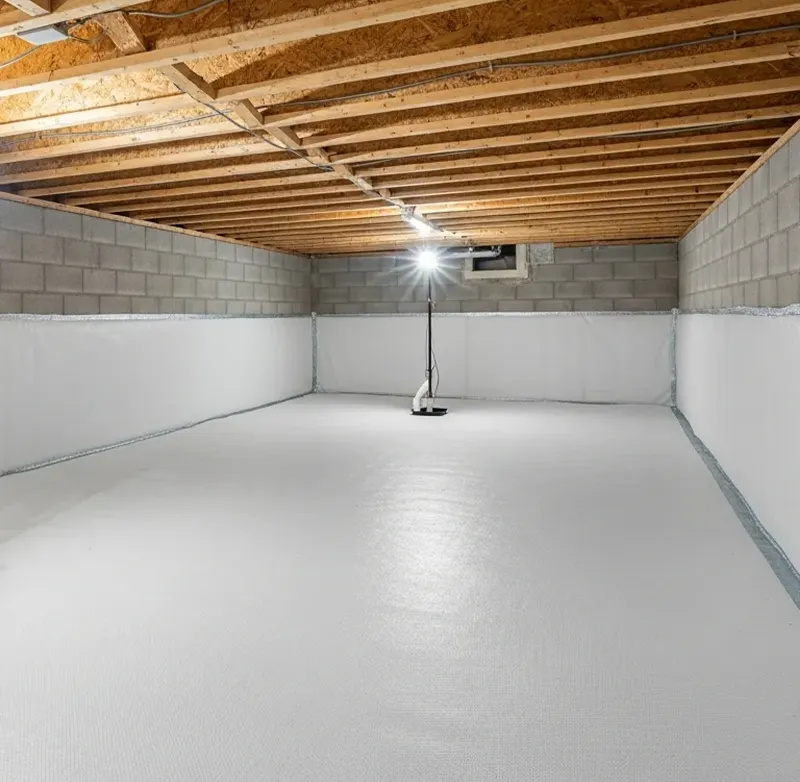
Three Stages of an Interior Drain Job
From the first cut in the floor to the last patch
Opening Up the Floor Edge
We cut a narrow strip of the slab along the walls and dig down to the footing. The rest of the floor stays in place for the whole job.
Setting the Drain and Sump
Perforated pipe goes in at the footing, pitched toward a sealed sump pit at the low point. This is the part that actually moves water.
Closing Up and Piping Out
The trench is filled with stone and new concrete. The discharge line runs outside and points away from the house, never at the sewer.
Newton Buried Some of Its Brooks
Water that once ran on the surface still moves under plenty of Newton streets
25+ Years Experience
5.0 Google Rated in MA
Fully Licensed & Insured
Quality Craftsmanship
When It Makes Sense to Waterproof Inside
Most Newton homeowners call us at one of three points, and each is a good time
Before You Finish the Space
Drywall, carpet and framing on a slab that takes on water will fail sooner or later. Putting the drain in first means the finished room sits on a floor that stays dry through the wet months.
When an Inspection Flags It
Water stains, white mineral crust on the walls or a sump pump piped into a sink all show up in home inspection reports. It is a lot easier to sort out before the moving boxes come in.
After the First Wet Spring
Snowmelt and spring rain push groundwater to its highest point of the year. If the floor gets damp in April and dries out by July, the water is coming back, and next spring will be no different.
Let's Take a Look at Your Newton Basement
Whether the floor gets wet every spring or you just found a pump tied into the laundry sink, we’ll walk the basement with you, show you where the water is coming from and explain what fixing it involves. For a feel for pricing first, check our basement waterproofing costs in Massachusetts.