Interior Waterproofing Built for Needham Homes
A drain at the footing, a sump pump, and a line that takes the water outside
Three Ways Water Gets Into a Basement
And why an interior system catches all three of them
Seepage Through the Walls
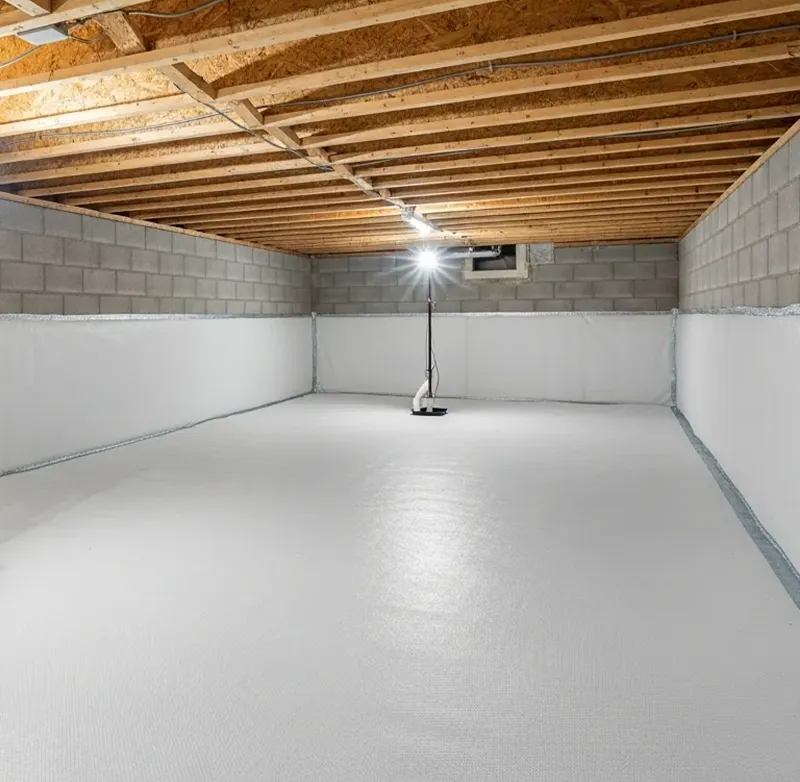
Block and older concrete walls are porous. Water soaks in, beads on the inside face and runs down, and a liner steers it to the drain.
The Cove Joint at the Floor
The seam where the slab meets the wall is the weak spot in most basements. When the soil outside is saturated, water pushes through it.
Pressure Up Through the Slab
When groundwater rises, it pushes up and finds any crack in the floor. A drain at the footing takes that pressure off before it gets in.
Needham Has a Groundwater Problem
The town's own sewer figures and the August 2023 storm point to the same thing
25+ Years Experience
5.0 Google Rated in MA
Fully Licensed & Insured
Quality Craftsmanship
Why the Fix Happens Inside the Basement
Digging up the outside of a foundation is not the only way to keep water out
Your Yard Stays As It Is
Waterproofing from the outside means excavating down along the foundation, through lawns, plantings, walkways and sometimes the driveway. An interior system goes in from the basement.
Work Goes On All Winter
Exterior digging stalls once the ground freezes, and in Massachusetts that can push a job to spring. Working inside the basement keeps the install on track through a New England winter.
Easy to Service Down the Road
The sump pit sits inside with a removable lid, so the pump can be checked, tested or swapped without touching the yard. When an outside membrane fails, the same trench gets dug again.