How We Handle Basement Water in Natick Homes
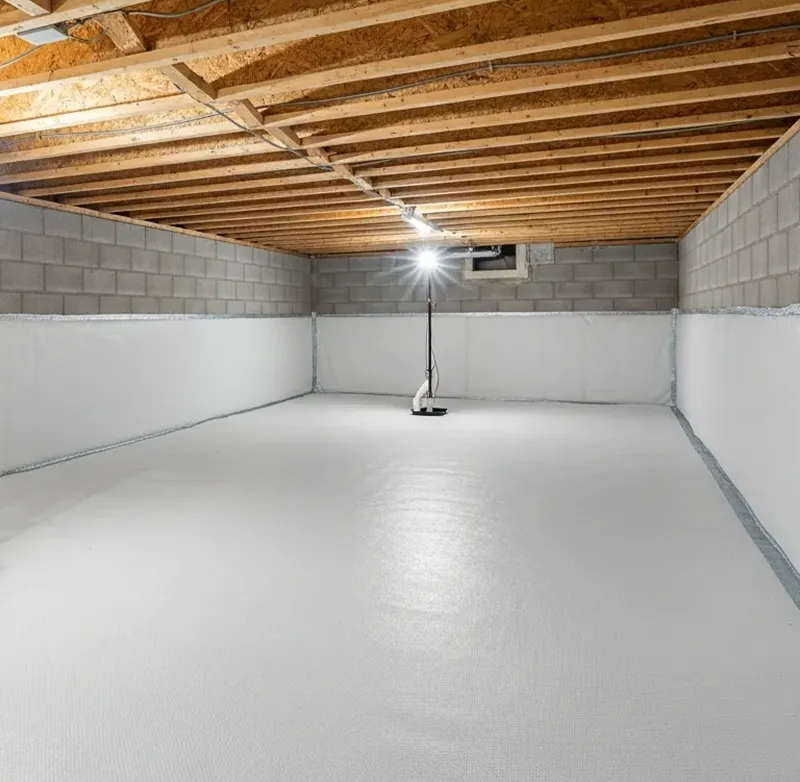
A perimeter drain, a sump pit and a pump, all put in from inside your basement
Three Signs Water Is Already Getting In
Most show up well before a puddle reaches the floor
Rust at the Base of Things
Rust rings on the water heater, the furnace legs or the steel posts mean the floor under them gets wet, even if it looks dry by noon.
A Dark Band Along the Wall
A damp strip where the wall meets the slab after a storm is water coming through the cove joint. It tends to widen a bit every season.
A Smell That Won't Clear
That musty smell is moisture feeding mold on wood, cardboard and drywall. Fans and a dehumidifier mask it for a while, then it's back.
Natick Lives on Top of Its Water
The ground that holds the town's drinking water also surrounds your foundation
25+ Years Experience
5.0 Google Rated in MA
Fully Licensed & Insured
Quality Craftsmanship
What Changes Once the System Is Running
Most of the time you won't notice it, and that is exactly how it should work
A Floor You Can Actually Use
Boxes come off the pallets, the rug goes back down and the shelves stop rusting at the feet. The space starts working like part of the house again instead of a room you avoid.
Quiet for Most of the Year
The pump sits idle through dry stretches and does its real work during snowmelt and heavy rain. When it kicks on, the water is already headed outside instead of across the floor.
A Pit You Can Check Yourself
The sump pit has a removable lid. Lift it after a big storm and you can see the water level and hear the pump cycle, so you know the system is working without calling anyone.
Ready for a Drier Natick Basement?
If you’ve noticed rust, a damp line on the wall or a smell that keeps coming back, it’s worth a visit. We’ll find where the water gets in and walk you through what an interior system would look like in your space. To see how pricing works, read our basement waterproofing costs in Massachusetts.