Keeping Water Out of Marlborough Basements
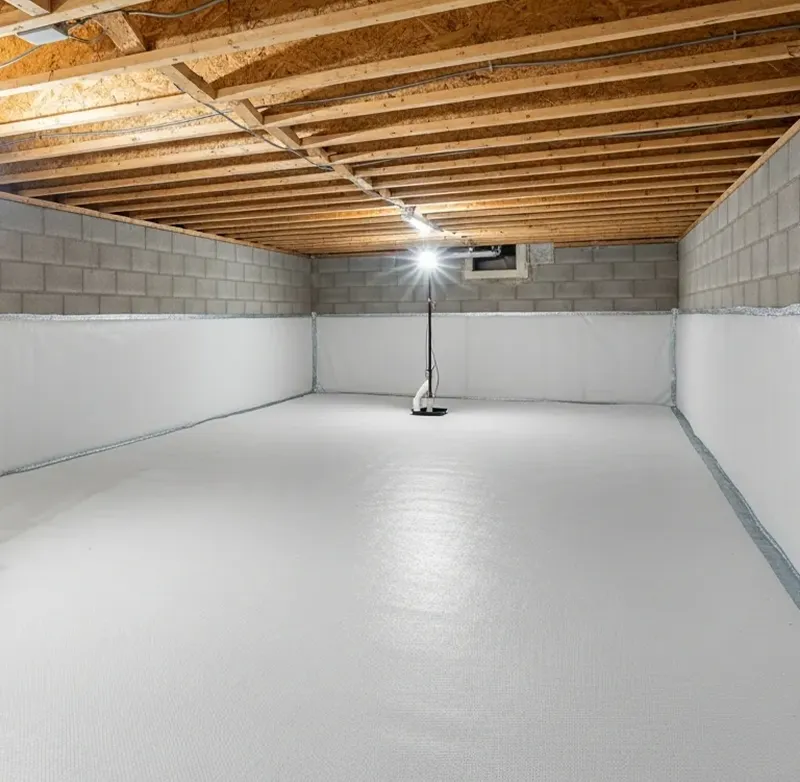
A footing drain and a sump pump that sends the water outside, not to the sewer
Three Kinds of Water in a Basement
Knowing which one you have decides the right fix
Condensation on Cool Walls
Humid summer air hits cold concrete and beads up. It looks like a leak, but a dehumidifier handles it. No drain system needed for this.
Groundwater Pushing Through
When the water table rises, it pushes in at the cove joint and wall cracks. This is the problem an interior drain is built to solve.
Runoff After Heavy Rain
Rain that pools against the foundation soaks down and in. It shows up fast after storms, and the ground outside is usually why.
Shoe Town Houses, Old Foundations
A lot of Marlborough was built for factory workers, on the materials of the day
25+ Years Experience
5.0 Google Rated in MA
Fully Licensed & Insured
Quality Craftsmanship
What Older Foundations Need From a System
Brick and rubble stone walls behave differently from modern poured concrete
Drain That Tracks the Footing
Older footings are rarely perfectly level or uniform. The drain pipe has to follow what is actually there, keeping a steady pitch toward the sump pit so no low spot holds water.
A Liner on Porous Walls
Brick and rubble stone let water through the face of the wall, not just the joints. A liner catches that seepage and guides it down into the drain instead of across the basement floor.
A Pump Matched to the Flow
An old basement can take on a lot of water in a wet spring. The pump and pit are chosen for what the house actually sees, so the pump isn't running flat out every time it rains.