Interior Waterproofing From a Hopkinton Crew
Based here in town, we stop basement water at the footing and pump it out
Three Foundations, Three Ways to Leak
Each type of wall lets water in its own particular way
Old Fieldstone and Mortar
Stacked stone set in lime mortar. As the mortar wears out, water moves through the joints, and the walls sweat after a long, wet week.
Hollow Concrete Block Walls
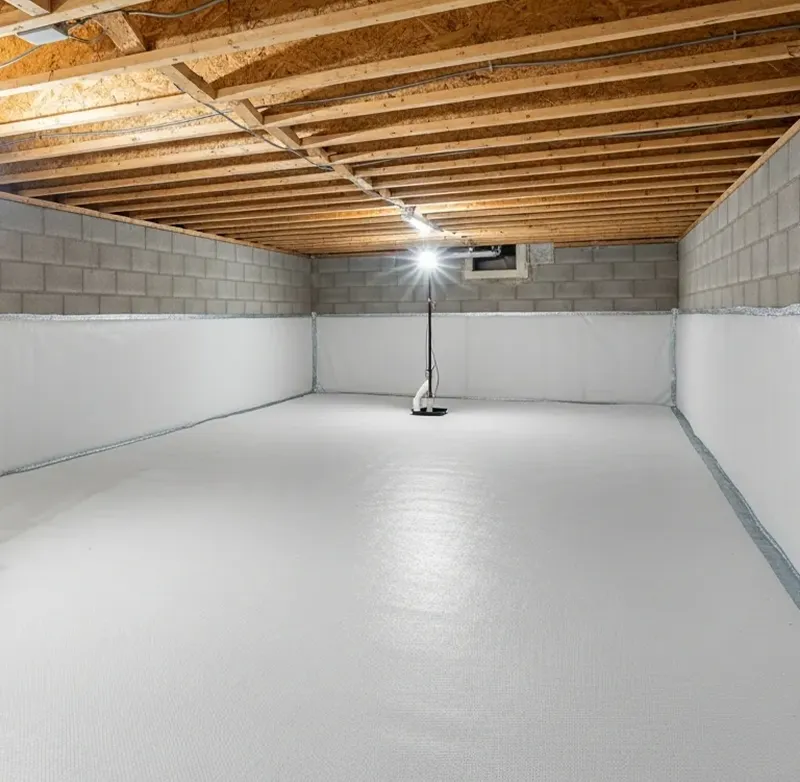
Block cores soak up water like a sponge and drain to the bottom course, where it seeps out at the floor. A footing drain catches it.
Newer Poured Concrete Walls
Poured walls are tighter, but shrinkage cracks, form-tie holes and the cove joint still leak once the soil around the house is soaked..
Private Wells and Busy Town Wells
In a town this reliant on wells, where sump water goes deserves real thought
25+ Years Experience
5.0 Google Rated in MA
Fully Licensed & Insured
Quality Craftsmanship
Choosing Where the Pump Water Ends Up
The discharge line is the last few feet of the system, and it needs a plan too
Well Clear of Your Well
If your home runs on a private well, the discharge should end far from the wellhead, and downhill from it where possible, so pooled water never has a path toward your drinking water.
Away From the Septic Field
Dumping pumped groundwater onto a leach field soaks the soil that is supposed to treat your wastewater. We route the line to open ground where the extra water won't get in the way.
Not on the Neighbor's Lot
Water has to stay on your property and drain away from both houses. We look at the grade before the line goes in, so a fix for your basement doesn't become a problem next door.
Talk to Your Hometown Basement Crew
Since we’re based in Hopkinton, getting out to see your basement is easy. We’ll find where the water is coming in, check where a discharge line could go and explain the system in plain terms. For a sense of the numbers first, read our basement waterproofing costs in Massachusetts.