Interior Drainage for Framingham Foundations
Groundwater is caught at the base of the walls and pumped out of the house
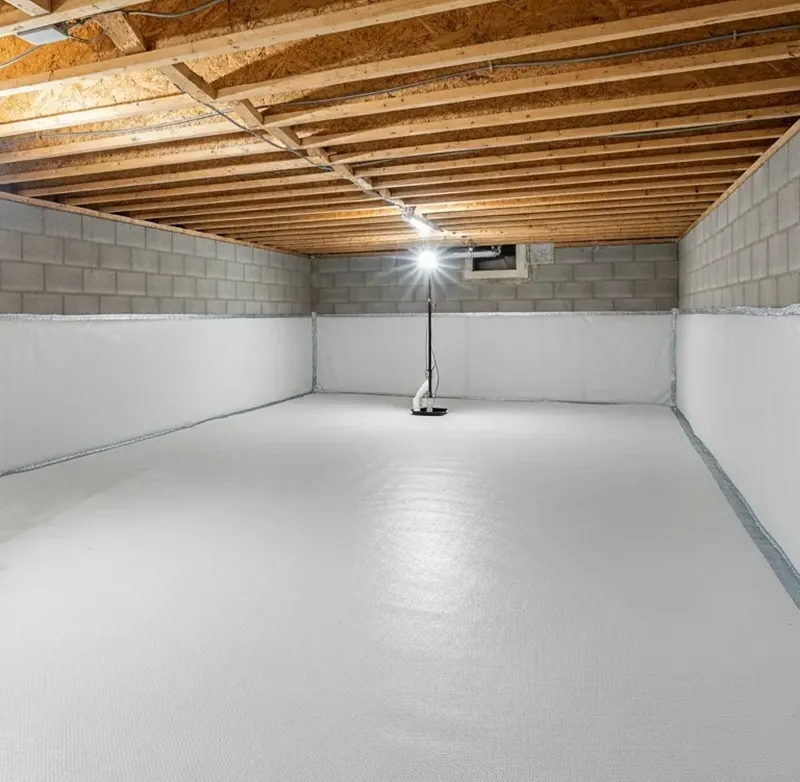
Three Fixes That Rarely Hold Up for Long
What most homeowners try first, and why it wears off
Waterproof Paint on the Walls
Sealer paint sits on the inside face while groundwater pushes from behind. Within a season or two it bubbles, peels and lets water in.
Caulking the Cove Joint
Filling the seam where wall meets floor just moves the problem. Water under pressure finds the next crack a few feet down the line.
A Dehumidifier on Its Own
A dehumidifier pulls moisture out of the air, which helps. It does nothing about liquid water coming through the walls or the slab.
Where Framingham Water Collects
A flood-prone brook corridor and a city code that spells out where water can go
25+ Years Experience
5.0 Google Rated in MA
Fully Licensed & Insured
Quality Craftsmanship
The Details That Decide How Long It Lasts
Three things we get right on every install, because they are hard to fix later
Drain Set at the Footing
The pipe goes down beside the footing, not just under the surface of the slab. That is where the wall meets the ground and where groundwater arrives first, so it gets caught early.
A Sealed, Lidded Sump Pit
A closed pit keeps dirt and debris out of the pump and holds damp air in the pit instead of the basement. It also keeps the pump noticeably quieter when it cycles during a storm.
An Outlet Aimed the Right Way
The discharge line leaves the house on a steady downward slope and ends on your own property, well away from the foundation, so the same water doesn't loop straight back in.