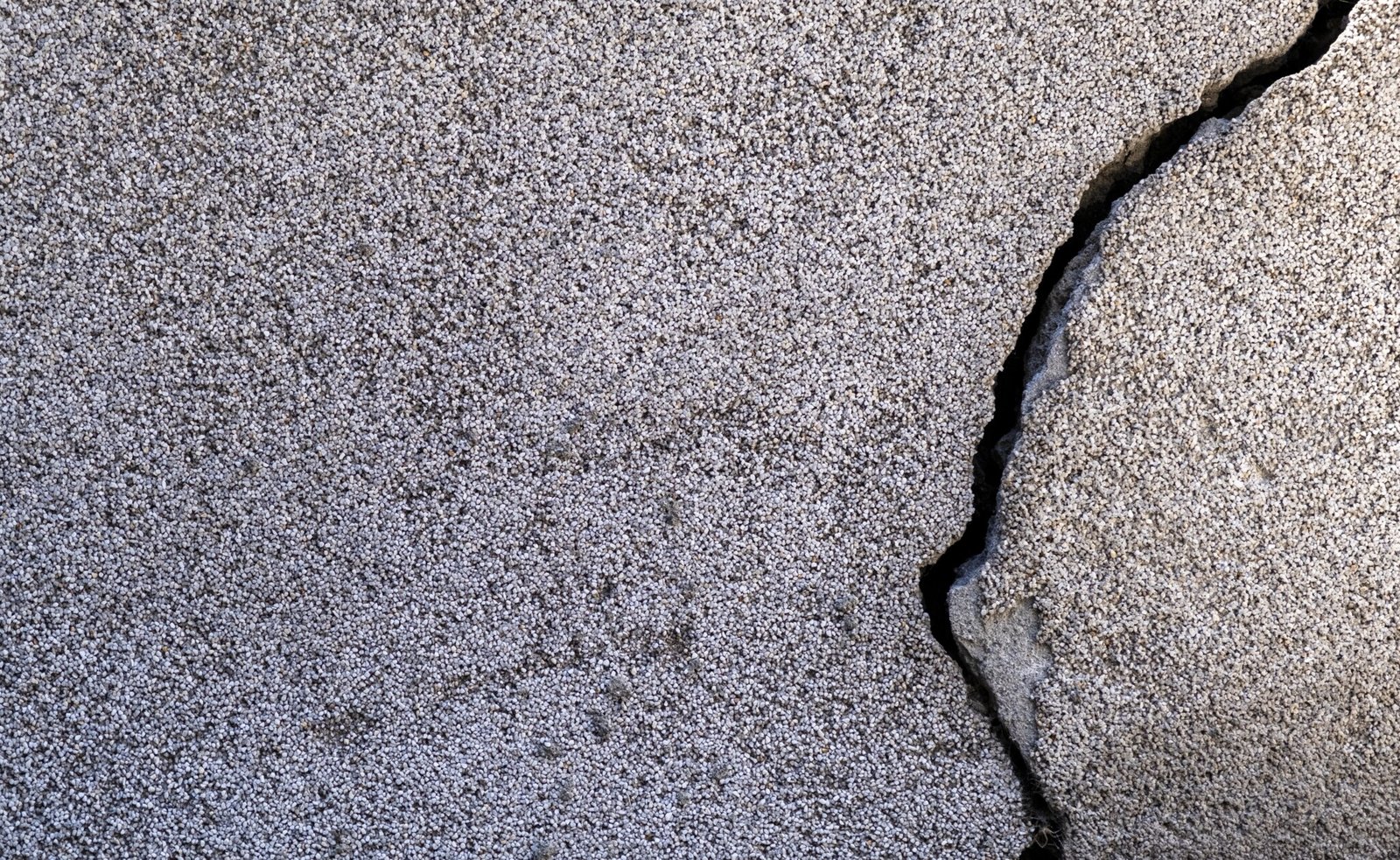
How Do I Know If My Basement Crack Is Structural or Cosmetic?
When you spot a crack in your basement wall or floor, it can be worrying. You start to wonder if it’s just a small surface crack or if it’s something serious that could affect your home’s foundation. Knowing how to tell the difference helps you avoid stress, unnecessary expenses, and major damage later.
A basement crack repair is not something you should delay. Even a small crack can become a big issue if ignored for too long. This guide will help you understand why cracks form, how to recognize cosmetic and structural ones, and when to call professionals for help.
Why Basement Cracks Happen
There are many reasons cracks show up in basements. Sometimes it happens naturally as your house settles, but other times it’s a sign of deeper problems such as water pressure or poor soil conditions around your foundation.
Some of the most common causes include:
Concrete shrinkage happens when newly poured concrete dries and slightly shrinks, which can create small hairline cracks. These are usually harmless.
Hydrostatic pressure occurs when water builds up around the foundation. The pressure can push against basement walls and cause them to crack or bulge.
Improper soil grading allows rainwater to collect near the base of the home. Over time, this moisture puts stress on the walls and floor.
Temperature changes can cause the concrete to expand and contract. This continuous movement can lead to cracks.
Foundation settlement happens when the ground underneath the house moves or compresses unevenly. This can put pressure on certain areas of the foundation and create deep cracks.
While not every crack means danger, ignoring them can lead to leaks, mold growth, or serious damage that will eventually require basement water leaks repair.
Cosmetic Cracks and How to Recognize Them
Cosmetic cracks are the ones that usually do not affect your home’s structure. They are often shallow and appear only on the surface of the concrete.
Some common signs that a crack is cosmetic include:
- Small width – Usually thin, less than one-eighth of an inch wide.
- Straight vertical lines – These cracks often go straight up and down or diagonally without spreading much.
- No water leaks – They stay dry or only look slightly damp.
- No growth over time – The crack remains the same size even after months.
You can keep track of a cosmetic crack easily. Mark both sides with a pencil and check again after a few weeks. If it stays the same, there’s no need to panic.
Even so, it’s a smart idea to seal small cracks early to stop moisture from entering. A professional basement crack repair can seal these cracks and protect your basement from future water damage.
Signs That a Crack Might Be Structural
Structural cracks are more serious and often show that something is wrong with the foundation. They usually get wider over time or allow water to leak through.
You might have a structural crack if you notice:
- Cracks that are wider than one-eighth of an inch
- Horizontal cracks along the wall
- Cracks shaped like stairs on block or brick walls
- Walls that are bending or bulging inward
- Doors and windows that start to stick or not close properly
- Uneven basement floors
These cracks often develop because of strong water pressure from the outside, soil shifting, or even poor construction practices. When you start to see these warning signs, it’s best not to wait. A specialist in foundation crack repair services can inspect the area and tell you what’s really happening beneath the surface.
If a coin can fit into the crack, it’s definitely time to call an expert for a detailed check.
How to Tell Cosmetic and Structural Cracks Apart
It’s not always easy to tell what kind of crack you’re dealing with, but a few clues can help. Cosmetic cracks are usually small, thin, and dry. Structural ones are wider, deeper, and often allow water to enter.
You can also look at how the crack behaves over time. If it stays the same, it’s likely cosmetic. But if it keeps spreading, you might be dealing with a structural issue. Cracks that are horizontal or shaped like steps are rarely harmless and usually need professional basement crack repair.
What to Do When You See a Crack
Finding a crack can be stressful, but there are simple steps you can take right away:
- Inspect the area carefully – Look closely to see the crack’s width, shape, and whether water is leaking through.
- Take photos – This helps you keep track of any changes over time.
- Check after rain – Heavy rain can reveal if the crack allows water to enter.
- Mark the ends of the crack – Use a pencil mark to notice if it’s expanding.
- Call for an inspection – If the crack grows or water leaks appear, schedule an expert visit immediately.
A company such as All Pro Basement Waterproofing offers experienced help with basement crack repair and can tell you whether it’s a small issue or a serious structural problem. Their specialists can provide accurate solutions before the damage spreads.
When You Should Call a Professional
You should contact a professional when:
- The crack is getting wider.
- Water is leaking through it.
- The wall looks like it’s bowing or shifting.
- Your attempts to seal it don’t last.
- Cracks appear after heavy rainfall or seasonal changes.
Professionals use tools to measure moisture levels and movement in the foundation. They can also suggest basement waterproofing services if the cracks are caused by pressure from water outside the home.
Common Basement Crack Repair Methods
There are several proven ways to fix cracks, depending on the cause and depth of the problem.
Epoxy injection is used for smaller or medium cracks. It fills the space and restores the original strength of the concrete.
Polyurethane foam injection works well when there is an active water leak. The foam expands inside the crack and blocks moisture completely. This is a reliable method for basement water leaks repair.
Carbon fiber reinforcement helps when the wall starts to bow or weaken. The material is applied to the surface to keep it stable and prevent further bending.
Wall anchors or foundation piers are used for serious structural damage. These systems help realign and stabilize the foundation.
Exterior waterproofing can be added to prevent future cracking by keeping water away from the foundation. Many basement waterproofing services include this option.
How to Prevent Cracks in the Future
Once your basement is repaired, it’s important to keep it protected. A few simple maintenance habits can go a long way.
Make sure your yard slopes away from your home so rainwater can drain properly.
Clean gutters and downspouts often to prevent overflow.
Avoid planting large trees too close to the foundation.
Use a dehumidifier in humid months to reduce moisture levels.
Schedule an annual inspection for your basement and foundation.
Also, deal with any small leaks right away. Timely basement water leaks repair can prevent bigger and costlier damage later on.
Conclusion
If you have a crack in your basement and you’re unsure whether it’s just cosmetic or something structural, don’t take chances. What looks like a small flaw today can turn into a serious problem if you ignore it.
All Pro Basement Waterproofing is known for reliable foundation crack repair services and basement waterproofing solutions in Ashland and nearby areas. Their team understands how to identify problems early and fix them the right way. They make sure your basement stays dry, strong, and protected from future damage.
Frequently Asked Questions
Can I fix basement cracks myself?
You can fix very small cracks with a sealant, but for anything that leaks or keeps expanding, it’s better to hire a professional.
Are horizontal cracks serious?
Yes, horizontal cracks usually show pressure on the wall from outside soil or water and must be checked quickly.
How long does professional repair take?
Most minor cracks can be fixed in a few hours, but larger foundation problems may take a couple of days.
What does basement crack repair cost in the United States?
The price depends on the size and cause of the crack, but most homeowners spend between four hundred and fifteen hundred dollars for professional service.
Do cracks always mean foundation damage?
Not always. Some are surface-level only. Still, it’s safer to get an inspection to be sure.
Text Here