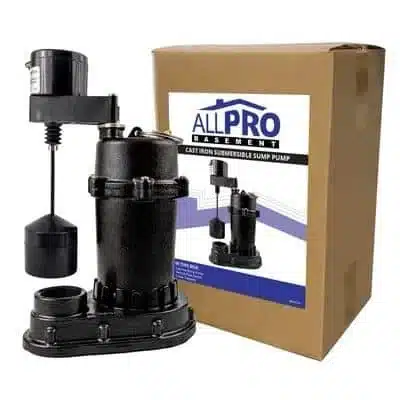
What are the Warning Signs My Installed Sump Pump Is Failing?
A properly installed sump pump is one of the most reliable ways to prevent basement flooding in homes and businesses across the United States. These pumps are designed to protect basements, crawl spaces, and foundation walls from water damage. But like any mechanical system, sump pumps can wear out or fail over time. Knowing the warning signs early can save you from costly repairs and protect your property.
Whether you are thinking about sump pump installation for the first time or already have a system in place, understanding the signs of failure can help you avoid serious problems. This is especially important if you are planning basement finishing and remodeling. A failing pump can undo all the hard work of creating a comfortable, dry space.
In this article, we will go over the main warning signs that your sump pump may be struggling, what they mean, and how you can take action before it is too late.
Why Early Detection Matters
Your sump pump is not just a machine tucked in a corner. It is the first line of defense against water damage. When it works as it should, it collects water and pumps it safely away from your building. When it fails, the results can be serious, including:
Indoor flooding
Mold and mildew growth
Damage to flooring and stored items
Weakening of the foundation
Repairs can be expensive, especially for businesses or larger homes. This is why regular sump pump service is recommended. Having your system checked can prevent unexpected failures when you need it most.
Common Signs Your Sump Pump Might Be Failing
Here are some key indicators that your sump pump may not be performing properly. Recognizing these early can help you act before a major problem occurs.
1. Strange Noises When the Pump Runs
A healthy sump pump should be fairly quiet. If you hear grinding, rattling, or squealing, something may be wrong. The noises could be caused by worn parts, debris inside the pump, or a motor that is struggling.
If your pump makes unusual sounds even when it is not handling much water, it is a sign you should call for inspection.
2. Pump Turns On and Off Too Often
Your pump should turn on when water rises in the pit and turn off when the water is removed. If the pump keeps switching on and off repeatedly, it may be a problem with the float switch or sensor. The unit may also be too small for the amount of water it needs to handle.
Frequent switching can shorten the life of the pump and may leave your basement vulnerable during storms.
3. Pump Runs Nonstop
If your pump seems to run all the time, there could be a few reasons. It might be the wrong size for your basement, the float switch could be stuck, or the check valve might not be working correctly. Constant running wears out the motor and increases the chance of total failure when water levels rise.
4. Water Remains in the Pit
If water stays in the sump pit even when the pump is running, it could mean there is a blockage in the discharge pipe, a problem with the check valve, or the pump has lost efficiency. This is particularly important if you have done basement finishing and remodeling because standing water can damage walls, flooring, and insulation.
5. Rust, Corrosion, or Sludge
Rust on the pump or pipes and sludge in the pit is a sign of long-term wear. Sediment or iron bacteria can clog components and reduce the pump’s ability to move water effectively. Rusted or corroded parts are more likely to fail during heavy rains.
6. Age of the Pump
Most sump pumps last between seven and ten years. If your pump is older or you do not know how long it has been in use, it is wise to schedule an inspection. Older pumps are more likely to fail when they are needed most.
7. Electrical Problems
Since sump pumps rely on electricity, power outages or faulty wiring can make your pump useless during storms. Breakers that trip or outlets that do not work reliably may signal that your pump or electrical system needs attention.
Simple Ways to Check Your Sump Pump
You can perform a few basic tests to see if your pump is working properly.
Pour Water into the Pit
Add a bucket of water to the sump pit. The pump should start immediately and remove the water quickly. If it hesitates or struggles, you should schedule professional service.
Check the Float Movement
The float should move freely. If it sticks, the pump might not turn on when needed.
Check the Discharge Pipe
Ensure water flows away from your property and does not return to the pit.
If any of these checks show problems, call a professional for a full inspection or repair.
Maintenance Tips to Prevent Failure
Even if your pump is working well now, regular care can prevent problems:
Test the pump twice a year
Keep the pit clean from debris
Inspect the float switch and check valves
Consider a battery backup or secondary pump
Schedule annual professional service
Following these steps can extend the life of your pump and prevent costly water damage.
Why Professional Installation Matters
Many pump problems start with improper installation. A professional sump pump installation ensures that the system is correctly sized for your home or business, is placed properly, and has the right discharge setup. Professionals also make sure your pump is compatible with backup systems and your existing drainage.
This is especially important for spaces that are being renovated or finished. A correctly installed pump protects your basement and any upgrades you have made.
When to Call a Professional
You should contact a professional if you notice any warning signs, or if:
You are preparing for seasonal storms
Your pump has not been inspected for over a year
You are doing basement finishing and remodeling
A professional can recommend repair, replacement, or system upgrades to ensure your basement stays dry.
Conclusion
Have you noticed any of the warning signs we discussed? Taking action early is the best way to prevent water damage, mold, and costly repairs. Proper sump pump installation and routine sump pump service will keep your basement safe and dry.
If you want professional help, All Pro Basement Waterproofing offers expert solutions for basements. They specialize in protecting homes and businesses with reliable waterproofing, inspection, and pump installation. Their team can evaluate your system and provide solutions that fit your needs.
Contact US today to make sure your basement stays dry and protected during every season.
Frequently Asked Questions
How often should I check my sump pump?
Check your pump at least twice a year, in spring and fall, to make sure it is working properly.
What causes a sump pump to fail?
Most failures are caused by worn parts, float switch problems, clogged pipes, power issues, or installation mistakes.
Is it normal for a sump pump to make noise?
A soft humming is normal. Grinding or rattling is a sign that the pump needs inspection.
Can a sump pump fail during a storm?
Yes. Power outages or heavy water flow can make the pump fail unless there is a backup system.
How long does a sump pump last?
Most pumps last seven to ten years depending on use and maintenance.
Text Here