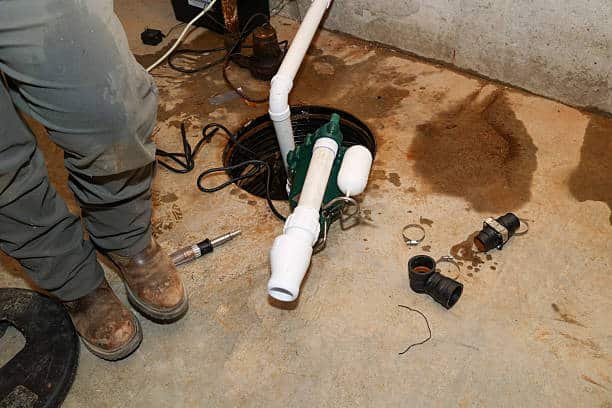
What Are the Most Common Sump Pump Problems Found During Maintenance?
If you have a sump pump in your basement, keeping it in good condition is one of the best ways to protect your property from water damage. Regular care can prevent flooding, reduce repair costs, and extend the life of the system. Many people forget about their sump pump until it stops working during a storm. That’s why doing sump pump annual maintenance is so important.
In this article, we’ll go through the common problems technicians find during maintenance and how you can avoid them. These insights are useful for homeowners, business owners, and facility managers who want to keep their basements dry and safe.
Why Sump Pump Annual Maintenance Is Important
A sump pump plays a key role in keeping your basement dry by pumping out extra water that collects after rain or from the ground. When it’s working correctly, it helps prevent basement water damage, mold growth, and other moisture problems.
Checking your system once a year gives you peace of mind that it will work when needed. It’s especially helpful before the rainy season or snow melt period. Regular inspections also help identify small issues before they become expensive repairs.
Power Supply Problems
One of the most common findings during sump pump annual maintenance is a power-related issue. The pump might look fine, but it cannot run if there is no reliable power source.
Power issues usually happen during heavy rain or storms, which is exactly when the pump needs to work the most. Many times, technicians discover damaged power cords, tripped breakers, or pumps plugged into shared circuits instead of dedicated outlets.
If the sump pump loses power during a storm, the water in the pit will rise and could cause flooding. It’s smart to check the outlet, plug, and wiring during every inspection to make sure electricity is flowing properly.
Float Switch Issues
The float switch is what tells the pump to turn on or off based on the water level in the pit. During routine maintenance, many homeowners discover that the float is not moving freely.
Sometimes it gets stuck on debris, or it may have a broken or misaligned part. When the float is jammed, the pump might not start at all or may run nonstop. Either way, it puts strain on the motor and shortens its life.
During a professional sump pump annual maintenance, technicians test the float by lifting it gently to ensure the pump starts and stops as it should. A quick cleaning or realignment can fix the issue before it causes a flood.
Clogged Pump or Discharge Line
Dirt, sand, or small stones can block the pump’s inlet or the discharge line where water exits the system. This problem is easy to miss until it’s too late.
When the discharge line is clogged, water flows back into the pit, forcing the pump to work harder. Over time, this can burn out the motor or flood the basement. In colder regions, the line may also freeze during winter, which prevents proper drainage.
To avoid this, make sure the pit is clean and clear of debris. Check that the discharge pipe outside the home is not buried under soil or snow. A professional cleaning once a year can make a big difference.
Dirty or Damaged Impeller
Inside every sump pump, there is a small rotating part called an impeller that pushes water out. Over time, dirt, sand, and small objects can collect on it, making the pump less effective.
A dirty impeller can cause strange noises, vibrations, and poor water movement. Sometimes, if the impeller gets bent or cracked, it can even stop spinning altogether.
Cleaning the impeller should be part of your sump pump annual maintenance routine. This keeps the pump efficient and prevents it from overheating.
Failing Check Valve
A check valve prevents the water that’s been pumped out from flowing back into the pit. When this valve wears out, water can return to the pit and force the pump to cycle on and off repeatedly.
This constant cycling wastes electricity and puts extra wear on the motor. If you notice that the pump starts too often, or if you hear gurgling noises after it turns off, it may be time to replace the check valve.
A quick check during your yearly maintenance can save you from early pump failure and possible basement sump pump repair later.
Incorrect Pump Placement
Another issue often seen during sump pump annual maintenance is poor pump placement. If the pump is not sitting level in the pit, it can cause several problems.
Vibration from regular use can cause the pump to tilt, which stops the float from working correctly. A tilted pump might also collect air pockets or allow sediment to build up in the pit.
Making sure your pump is positioned properly ensures better performance and a longer lifespan.
Weak Backup Battery
Modern sump pumps often have a backup battery system to keep them running during power outages. Unfortunately, many homeowners forget to check this part.
Technicians often find that the battery is dead, old, or corroded. A weak or damaged battery won’t help during a storm, which defeats the whole purpose of having it.
Testing and replacing the battery as part of sump pump annual maintenance ensures your system keeps working even when the lights go out.
Normal Wear and Aging
Even with the best care, sump pumps do not last forever. Most units last around seven to ten years. As the pump ages, parts wear down and efficiency drops.
During maintenance, signs like rust, corrosion, or water leaks may appear. Seals and screws can also wear out. Instead of waiting for a breakdown, consider a basement sump pump repair or replacement if the unit is old.
Regular checks help you make smart decisions about whether repair or replacement is the best option.
Strange Sounds or Vibrations
If your sump pump starts making loud humming, banging, or rattling sounds, it usually means something inside is loose or blocked.
This could be caused by debris stuck in the impeller, loose fittings, or the pump being unbalanced. Ignoring these noises can lead to mechanical failure over time.
During a yearly inspection, cleaning and tightening parts can prevent damage and keep the system running quietly.
Seasonal and Environmental Effects
Sump pumps are exposed to changing weather all year round. Cold temperatures can freeze pipes, while hot summers can cause dampness and corrosion. Heavy rainfall and storms also push the system to its limits.
When doing sump pump annual maintenance, technicians often spot cracks in discharge pipes, buildup of dirt around connections, or frozen sections in outdoor lines.
Taking care of your pump before each season helps prevent water problems and ensures consistent performance throughout the year.
Simple Maintenance Tips
Here are a few easy steps you can follow between professional inspections:
- Clean the sump pit regularly. Remove dirt, leaves, and small stones that can clog the pump.
2. Test the pump every few months. Pour water into the pit to see if it turns on and off correctly.
3. Keep the discharge line clear. Check that it’s not blocked or frozen.
4. Listen for unusual sounds. Grinding or humming may mean a part needs attention.
5. Check the power source. Make sure the plug and outlet are working properly.
Following these small steps along with professional servicing once a year will help you avoid unexpected water issues.
Conclusion
Are you confident your sump pump is ready for the next heavy rain?
Regular sump pump annual maintenance helps prevent flooding, costly water cleanup, and long-term structural issues. A simple inspection today can save you thousands of dollars in the future.
If you need expert help, All Pro Basement Waterproofing offers dependable basement waterproofing services. Their team can inspect, clean, and maintain your system so it’s ready for any weather.
Contact Us today to schedule your maintenance and keep your property safe and dry year-round.
Frequently Asked Questions
How often should sump pump maintenance be done?
At least once a year, ideally before spring or heavy rain seasons.
Can I do the maintenance myself?
You can do basic cleaning and testing, but it’s best to have a professional handle deeper inspection and electrical checks.
What if my sump pump runs all the time?
It could be due to a stuck float switch, a bad check valve, or incorrect placement. Have it checked during your next service.
What happens if I skip maintenance?
Ignoring yearly maintenance can cause the pump to fail when you need it most, leading to basement water damage and costly repairs.
When should I replace my sump pump?
If it’s more than ten years old or shows signs of rust, noise, or poor drainage, replacement might be a better choice.
Text Here